
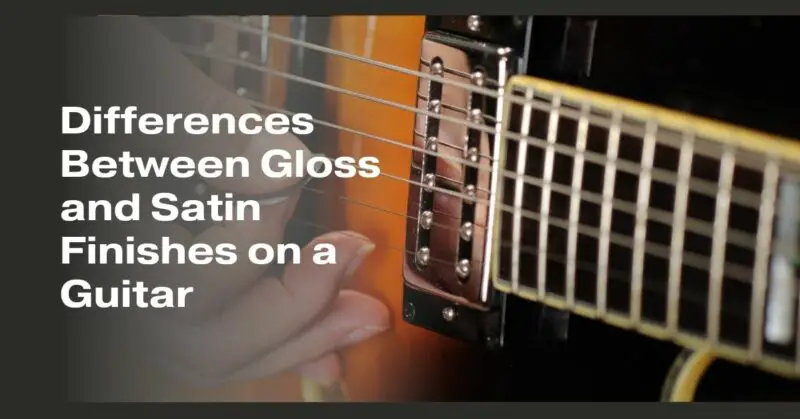
When selecting a guitar, the finish not only affects its appearance but also plays a significant role in its feel and sound. Two common finish options are gloss and satin. Each offers unique characteristics that can influence your playing experience and the guitar’s overall aesthetic. In this article, we will explore the differences between gloss and satin finishes on a guitar, helping you make an informed choice when selecting your instrument.
Gloss Finish:
A gloss finish is characterized by its high shine and reflective surface. Here’s what you need to know about gloss finishes:
- Appearance: Gloss finishes are known for their stunning, mirror-like appearance. They enhance the natural beauty of the wood grain, making the guitar visually captivating. Many high-end guitars feature gloss finishes for their luxurious aesthetics.
- Feel: Gloss finishes feel smooth and glassy to the touch. This can make it easier to slide your hand up and down the neck, and some players prefer the glide of a gloss finish.
- Protection: Gloss finishes provide excellent protection against minor scratches, dings, and exposure to moisture. They create a robust barrier that shields the wood beneath.
- Sound: Some argue that gloss finishes can slightly dampen the guitar’s resonance and tonal characteristics. The thick, reflective surface may restrict the wood’s ability to vibrate freely, potentially affecting the guitar’s sound. However, the impact on tone can be subtle and varies depending on the guitar’s construction and materials.
Satin Finish:
A satin finish, also known as a matte finish, offers a different set of attributes:
- Appearance: Satin finishes have a muted, non-reflective appearance. They don’t enhance the wood grain as prominently as gloss finishes but offer a more understated, natural look.
- Feel: Satin finishes feel soft and smooth to the touch. They provide a comfortable, tactile sensation that many players appreciate, especially when fretting chords or playing fingerstyle.
- Protection: While satin finishes are less glossy, they still offer reasonable protection against minor wear and tear. However, they may not be as resilient as gloss finishes when it comes to resisting scratches and moisture.
- Sound: Satin finishes are generally believed to allow the wood to breathe more freely, resulting in a potentially more resonant and open sound. Many players find that satin-finished guitars have a more pronounced and dynamic tonal response.
Choosing Between Gloss and Satin Finishes:
- Aesthetic Preference: Your personal aesthetic preference is a significant factor. Some players are drawn to the elegant shine of gloss finishes, while others prefer the subtlety of satin finishes.
- Playing Style: Consider your playing style. If you move up and down the neck frequently, a gloss finish might offer a smoother playing experience. Conversely, if you value the tactile feel and tonal characteristics, a satin finish may be more appealing.
- Sound Preference: If tonal nuances are essential to you, take into account the potential impact of the finish on the guitar’s sound. Satin finishes are often favored for their ability to allow the wood to resonate more freely.
- Durability: Think about the guitar’s intended use. If you plan to take it on the road and expose it to wear and tear, a gloss finish may provide better protection. Satin finishes, while still durable, might require a bit more care.
Conclusion: The Beauty of Choice
The choice between gloss and satin finishes ultimately comes down to your personal preferences and playing style. Both finishes have their unique qualities, and neither is inherently superior to the other. Whether you prefer the glamorous allure of gloss or the tactile comfort of satin, the beauty of choice is that you can find the perfect finish to match your musical journey and aesthetic sensibilities.