
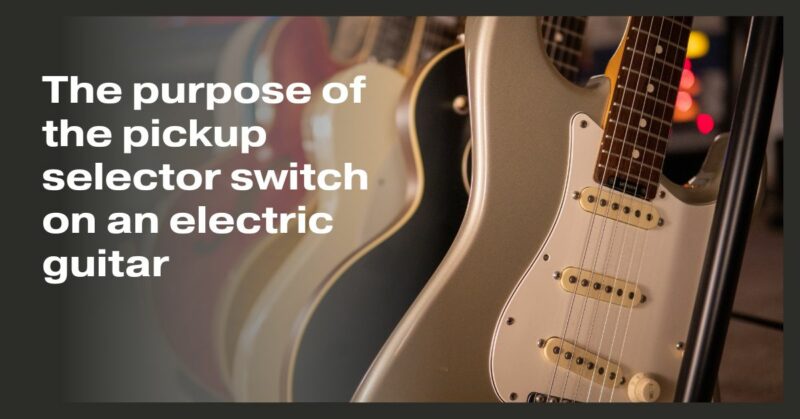
The electric guitar is a versatile and expressive instrument, thanks in part to its intricate components that allow players to shape their sound. Among these components, the pickup selector switch stands as a pivotal feature. This humble switch may seem inconspicuous, but it plays a significant role in defining the tonal palette of an electric guitar. In this article, we’ll explore the purpose of the pickup selector switch, its functions, and how it influences the sound of your guitar.
Understanding Guitar Pickups:
Before delving into the selector switch, let’s briefly recap the role of pickups. Pickups are electromagnetic devices mounted on the body of an electric guitar. They work by converting the vibrations of the strings into electrical signals, which are then amplified and transformed into sound through an amplifier. There are two primary types of pickups: single-coil and humbucker, each with its unique tonal characteristics.
The Purpose of the Pickup Selector Switch:
The pickup selector switch serves the crucial function of allowing the guitarist to choose between different pickup configurations, effectively shaping the guitar’s sound. Most electric guitars are equipped with at least two pickups, and some have three or more. The selector switch provides a simple yet powerful means to switch between these pickups.
Common Pickup Selector Switch Configurations:
- Three-Way Switch: A common configuration on many guitars, the three-way switch offers three pickup combinations:
- Position 1: Bridge Pickup
- Position 2: Bridge and Neck Pickups (Both)
- Position 3: Neck Pickup
- Five-Way Switch: Often found on guitars with three pickups, like the Stratocaster, the five-way switch provides five pickup combinations:
- Position 1: Bridge Pickup
- Position 2: Bridge and Middle Pickups
- Position 3: Middle Pickup
- Position 4: Middle and Neck Pickups
- Position 5: Neck Pickup
- Toggle Switch: Some guitars, like the Les Paul, feature a toggle switch:
- Up Position: Neck Pickup
- Middle Position: Both Pickups (Bridge and Neck)
- Down Position: Bridge Pickup
How the Pickup Selector Switch Influences Sound:
The position of the selector switch directly affects the guitar’s sound, offering a range of tonal options:
- Bridge Pickup: When the switch is set to the bridge pickup, you’ll typically get a brighter, sharper, and more articulate tone. This position is favored for cutting leads and crunchy rhythm playing.
- Neck Pickup: The neck pickup produces a warmer, rounder, and fuller sound, often characterized by increased sustain. It’s a go-to choice for smooth, expressive leads and lush, clean chords.
- Middle Pickup: In configurations with a middle pickup, selecting it alone provides a balanced and versatile tone. Combining the middle pickup with others can yield unique tonal qualities, depending on the guitar’s wiring.
- Combined Positions: Positions that engage multiple pickups offer a blend of their individual characteristics. For example, the bridge and neck pickup together provide a balanced tone with a touch of warmth and brightness.
Versatility and Expressiveness:
The pickup selector switch enhances the electric guitar’s versatility, allowing players to adapt their sound to various musical styles and moods. It’s a tool for personal expression, enabling guitarists to craft their signature tone. Whether you’re aiming for crisp, biting tones or warm, soulful sounds, the pickup selector switch is your gateway to a world of sonic possibilities on the electric guitar.
Conclusion: Crafting Your Unique Sound
The pickup selector switch on an electric guitar may seem like a small detail, but it wields significant influence over your instrument’s tonal palette. Understanding its purpose and experimenting with different pickup combinations empowers you to craft your unique sound, making the electric guitar an endlessly expressive and versatile instrument in your hands.