
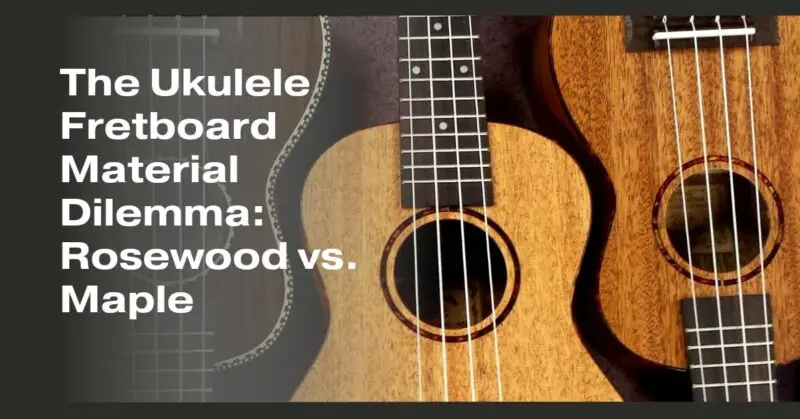
The choice of fretboard material is a critical consideration when selecting a ukulele, as it can significantly influence the instrument’s playability, tone, and aesthetics. Two popular fretboard materials often used in ukulele construction are rosewood and maple. In this article, we’ll explore the differences between these materials and help you make an informed decision based on your preferences and musical style.
Rosewood Fretboards: Warmth and Richness
Rosewood is a favored fretboard material among many ukulele players and luthiers due to its distinctive tonal characteristics and aesthetic appeal. Here are some key characteristics and advantages of rosewood fretboards:
- Warm Tone: Rosewood is known for imparting a warm and rich tone to the ukulele. It enhances the instrument’s midrange frequencies, adding depth and complexity to the sound.
- Smoother Playability: Rosewood has a smooth and comfortable feel under the fingers, making it easy to navigate the fretboard. This feature is especially appreciated by players who engage in intricate fingerstyle playing.
- Aesthetic Beauty: Rosewood is prized for its beautiful, dark, and often striking grain patterns. It adds an element of visual elegance to the ukulele, enhancing its overall appearance.
- Durability: Rosewood is a durable and long-lasting wood, capable of withstanding years of playing without significant wear.
However, there are considerations with rosewood fretboards:
- CITES Regulations: Certain species of rosewood are subject to international trade regulations under the Convention on International Trade in Endangered Species of Wild Fauna and Flora (CITES). This can affect the availability and cost of ukuleles with rosewood fretboards.
- Maintenance: Rosewood fretboards may require occasional conditioning with fretboard oil to maintain their appearance and prevent drying or cracking.
Maple Fretboards: Brightness and Clarity
Maple is another fretboard material that offers a distinct tonal character and is favored by some ukulele players. Here are some key characteristics and advantages of maple fretboards:
- Bright and Clear Tone: Maple fretboards are known for their brightness and clarity. They emphasize the high-end frequencies, resulting in a crisp and articulate sound.
- Excellent for Strumming: The bright tone of maple fretboards makes them well-suited for strumming and chord-based playing. They can help the ukulele cut through in ensemble settings.
- Low Maintenance: Maple fretboards are relatively low-maintenance and do not require frequent conditioning like rosewood.
- Aesthetic Variety: Maple fretboards come in various finishes, including natural, stained, or finished with gloss, providing aesthetic diversity for players seeking different looks.
However, there are considerations with maple fretboards:
- Tonal Brightness: The brightness of maple may not suit all musical styles or tonal preferences. Some players may find it too piercing for certain genres.
- Lack of Warmth: Maple fretboards may lack the warm and mellow qualities that rosewood provides. They may not be the best choice if you seek a richer, more rounded tone.
Choosing the Right Fretboard Material
To choose the right fretboard material for your ukulele, consider the following factors:
- Tonal Preference: Think about the tonal qualities you desire for your ukulele. Rosewood offers warmth, while maple provides brightness and clarity.
- Playing Style: Consider your playing style and musical genres. Rosewood may be better for fingerstyle and melodic playing, while maple can excel in strumming and ensemble settings.
- Aesthetic Taste: Reflect on the visual aesthetics you prefer for your ukulele. Rosewood offers a classic, elegant look, while maple provides a brighter and more contemporary appearance.
- Maintenance: Assess your willingness to perform maintenance on your ukulele’s fretboard. Rosewood may require more frequent conditioning, while maple is relatively low-maintenance.
In conclusion, the choice between rosewood and maple fretboards for your ukulele ultimately depends on your tonal preferences, playing style, aesthetic taste, and maintenance considerations. Both materials have their unique merits and can significantly impact the sound and appearance of your ukulele, allowing you to tailor your instrument to your musical aspirations and personal style.