
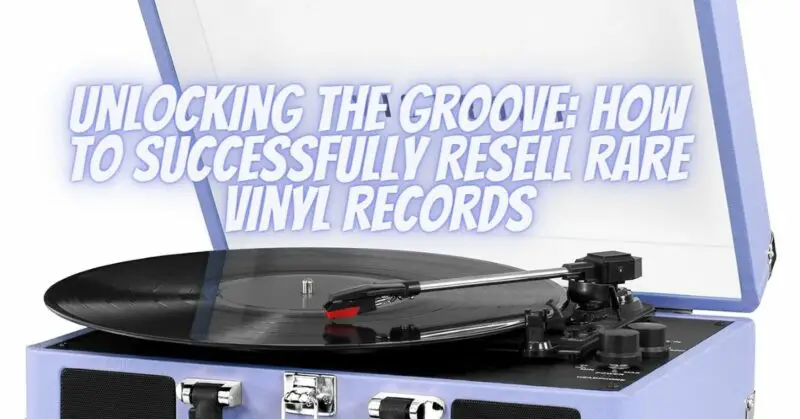
Reselling rare vinyl records can be an exciting and potentially profitable endeavor for collectors and enthusiasts. With the resurgence of vinyl’s popularity, demand for rare and vintage records is on the rise. If you have a collection of rare vinyl records and are considering selling them, this article will guide you through the steps to ensure a successful and rewarding resale process.
- Assess the Value of Your Records
The first step in reselling rare vinyl records is to determine their value. Consider factors such as the artist, album title, condition of the record and cover, and the rarity of the pressing. Online marketplaces, record collector forums, and vinyl price guides can help you assess the approximate value of your records.
- Grading Your Records
Accurately grading your vinyl records is crucial for setting the right price and providing transparent information to potential buyers. Use a grading scale (e.g., Goldmine Standard or Discogs’ grading system) to evaluate the condition of both the vinyl and the cover. Common grades include Mint, Near Mint, Very Good Plus, Very Good, and Good.
- Catalog Your Collection
Organize and catalog your vinyl records. Keep a detailed list that includes information about each record, such as the artist, album title, catalog number, pressing details, and condition. This catalog will be invaluable when you’re ready to list your records for sale.
- Cleaning and Maintenance
Before selling, clean your records thoroughly to remove dust, fingerprints, and dirt that may affect playability and appearance. Use a record cleaning brush, anti-static brush, or a vinyl cleaning machine to ensure they are in the best possible condition.
- Select the Right Sales Platform
Choose where to sell your rare vinyl records. Options include online marketplaces like eBay, Discogs, and Etsy, as well as specialized vinyl record shops and local record shows. Consider the platform’s fees, audience, and policies before making a decision.
- Detailed Listings
Create well-structured and informative listings for your records. Include high-quality photos of both the record and cover, the record’s grading, pressing details, and any unique selling points, such as limited editions or special inserts. Be honest about any flaws or imperfections.
- Pricing Strategies
Determine your pricing strategy. You can choose to list your records at a fixed price or set them up for auction. Research similar listings on your chosen platform to gauge market prices and set a competitive yet fair price.
- Shipping and Packaging
Invest in proper packaging materials, such as record mailers and stiffeners, to protect your records during shipping. Use high-quality inner and outer sleeves to prevent damage in transit. Calculate shipping costs accurately and offer options like tracking and insurance for added security.
- Communication with Buyers
Maintain open and responsive communication with potential buyers. Promptly answer any questions and provide additional information if requested. Good customer service can enhance your reputation as a seller.
- Feedback and Reviews
Encourage satisfied buyers to leave positive feedback or reviews on the platform you’re using. Positive feedback can boost your credibility and attract more potential buyers.
- Payment and Shipping
Once you’ve successfully sold your rare vinyl records, securely package them, and ship them to the buyer using the chosen shipping method. Ensure you receive payment before shipping the records.
- Legal Considerations
Familiarize yourself with copyright laws and licensing agreements related to selling vinyl records. Ensure that you have the legal right to sell the records you list.
Conclusion
Reselling rare vinyl records can be a rewarding experience both financially and for fellow collectors who appreciate your unique finds. By following these steps and taking the time to research and prepare, you can maximize the value of your collection and provide a satisfying buying experience for collectors eager to add your rare vinyl records to their own collections.