
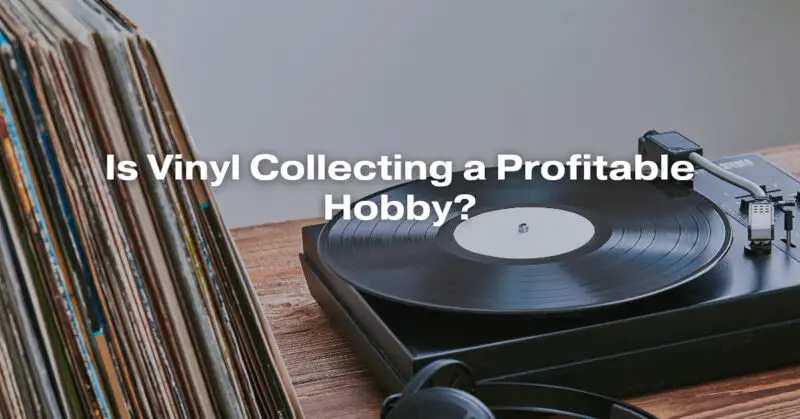
Vinyl collecting can be a rewarding and enjoyable hobby for music enthusiasts, but whether it is profitable depends on various factors. Here are some considerations to help you understand the financial aspects of vinyl collecting:
1. Initial Investment: Building a vinyl collection requires an initial investment in records, a turntable, and audio equipment. The cost of entry can vary widely, from affordable vintage equipment to high-end audiophile setups. The initial investment can be substantial, but it doesn’t guarantee profitability.
2. Value of Records: Some vinyl records, especially rare and collectible editions, can appreciate in value over time. Factors such as the rarity, condition, and demand for a specific record influence its market price. Collectors often seek out limited edition releases, first pressings, and records in mint condition.
3. Market Trends: The vinyl market can be influenced by trends and fluctuations. Certain genres, artists, or eras may be more sought after at specific times, affecting the value of related records. Staying informed about market trends can help collectors make informed purchasing decisions.
4. Rarity and Scarcity: Rarity plays a significant role in the potential profitability of vinyl collecting. Records that were produced in limited quantities, have unique features (e.g., colored vinyl), or were released by obscure artists can become highly sought after and command higher prices.
5. Condition Matters: The condition of a record, its cover, and any accompanying inserts or posters can greatly impact its value. Collectors often pay a premium for records in excellent condition. Proper storage and care are essential to maintain the condition of vinyl records.
6. Collecting Goals: Your collecting goals can influence whether vinyl collecting is profitable for you. If your primary goal is to enjoy and appreciate music on vinyl, the monetary aspect may be secondary. However, if you focus on acquiring valuable and rare records, there is potential for profit.
7. Selling and Trading: Some collectors engage in selling or trading records to fund their hobby or acquire new additions to their collection. Online marketplaces, record fairs, and vinyl community events offer opportunities to buy and sell records.
8. Patience and Long-Term Perspective: Vinyl collecting is often a long-term endeavor. Records that increase in value may do so gradually over many years. Patience is key to realizing potential profits, and a long-term perspective can lead to better investment outcomes.
9. Niche Markets: Certain niche markets, such as audiophile pressings and limited edition releases, can be more profitable for collectors. These markets cater to enthusiasts willing to pay a premium for high-quality records.
10. Enjoyment and Passion: Many vinyl collectors are motivated by their passion for music and the tactile experience of vinyl. While profit can be a consideration, the joy of collecting and listening to records is often the primary reward.
In conclusion, while vinyl collecting can potentially be profitable, it is not a guaranteed way to make money. It’s important to approach vinyl collecting as a hobby driven by your love for music and the desire to curate a collection that brings you joy. If your collection appreciates in value over time, it can be a bonus, but the primary focus should be on the enjoyment and appreciation of music on vinyl.