
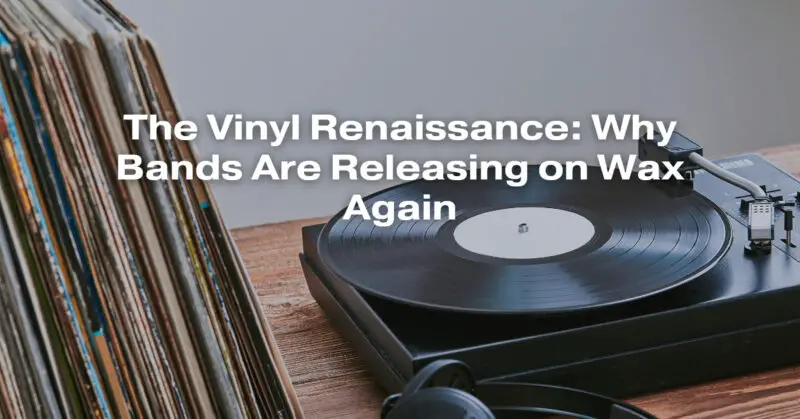
The resurgence of vinyl records in recent years, often referred to as the “vinyl renaissance,” has been a remarkable phenomenon. Bands and artists from various genres are once again choosing to release their music on vinyl, and several factors contribute to this resurgence:
- Nostalgia and Collectibility: Vinyl records hold a nostalgic appeal for both older generations who grew up with them and younger generations who are discovering them. Collecting vinyl has become a hobby and a way for music fans to connect with the past.
- Tangible and Unique Experience: Vinyl offers a tactile and multisensory experience that digital formats cannot replicate. Fans enjoy handling vinyl records, admiring album artwork, and reading liner notes. Each vinyl record is a unique physical artifact.
- Sound Quality: Many audiophiles and music enthusiasts believe that vinyl offers a warmer and more authentic sound compared to digital formats. Vinyl’s analog nature captures nuances and imperfections that can be lost in digital recordings.
- Limited Editions and Special Releases: Bands and record labels often release limited edition vinyl records with unique features, such as colored vinyl, bonus tracks, or exclusive packaging. This adds to the collectible nature of vinyl.
- Support for Independent Music: Vinyl appeals to independent and underground musicians who want to offer physical copies of their music. It provides a tangible product that fans can purchase at shows and through online stores.
- Artistic Expression: Vinyl records allow artists to express themselves creatively through album artwork and packaging. The larger format of album covers provides a canvas for visual storytelling.
- Vinyl-First Releases: Some bands and labels adopt a vinyl-first approach, where vinyl records are released before digital or CD versions. This strategy builds excitement among vinyl enthusiasts and rewards them for their support.
- Local Record Stores: Independent record stores, which often specialize in vinyl, have played a crucial role in the vinyl revival. Record Store Day, an annual event that celebrates independent record stores, has contributed to the growth of vinyl sales.
- DJ Culture: Vinyl remains an essential medium for DJs and turntablists. Many electronic music genres, including techno and house, continue to embrace vinyl for live performances and DJ sets.
- Streaming Complements Vinyl: Vinyl and streaming are not necessarily competing formats. Many vinyl enthusiasts also use streaming services to discover and explore music. Vinyl can be seen as a complementary format that offers a different listening experience.
- Environmental Consciousness: Vinyl’s durability and longevity contribute to its appeal. Some people view vinyl as a more sustainable and environmentally friendly physical format compared to disposable CDs and the carbon footprint of streaming.
- Artisanal Craftsmanship: The vinyl production process involves craftsmanship, from mastering and pressing to packaging. This artisanal approach aligns with the preferences of those who appreciate handcrafted and high-quality products.
In conclusion, the vinyl renaissance represents a convergence of nostalgia, appreciation for sound quality, support for independent music, and a desire for a unique and tangible music experience. Bands and artists are releasing music on vinyl to connect with fans, express their creativity, and be part of a thriving vinyl community that values music as art. Vinyl records have indeed found a lasting place in the modern music landscape.