
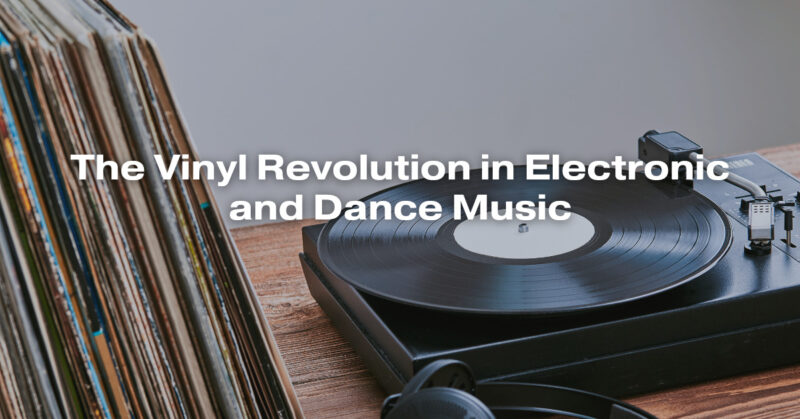
The vinyl revolution has significantly impacted the electronic and dance music genres, breathing new life into a format that many thought would be obsolete in the digital age. Here’s how vinyl has made a comeback in the world of electronic and dance music:
- Analog Warmth and Authenticity: Vinyl records offer a warmth and depth to electronic music that digital formats can struggle to replicate. Many electronic producers appreciate the authenticity and character of analog sound, which vinyl captures beautifully.
- Vinyl-Only Releases: Some electronic and dance music artists release their music exclusively on vinyl or initially on vinyl before digital formats. These vinyl-only releases cater to collectors, DJs, and vinyl enthusiasts.
- DJ Culture: Vinyl has always been central to DJ culture, and this remains true in electronic and dance music scenes. Many DJs prefer the tactile experience of vinyl, including beatmatching and scratching, which adds an element of performance to their sets.
- Vinyl DJing Resurgence: Vinyl DJing has seen a resurgence, with vinyl-only clubs and events becoming more common. This revival has created a demand for vinyl records among DJs and collectors.
- Limited Editions and Collectibles: Electronic and dance music labels often release limited edition vinyl records with unique packaging, colored vinyl, and other collectible features. These releases appeal to both music fans and collectors.
- Vinyl Reissues: Classic electronic and dance albums from the past are frequently reissued on vinyl, allowing a new generation of fans to enjoy them in their original analog glory. This has helped keep vinyl alive in the genre.
- Vinyl-Specific Genres: Some electronic subgenres, like techno and house, have strong ties to vinyl culture. Vinyl remains the primary format for these genres, with DJs and producers continually supporting it.
- Physical Connection: Vinyl records provide a tangible connection between the artist, the music, and the listener. The act of physically placing a needle on the record and feeling the grooves is a unique and immersive experience.
- Sound Quality Considerations: Audiophiles often argue that vinyl offers superior sound quality, particularly for genres that emphasize bass and intricate soundscapes, which are prevalent in electronic and dance music.
- Vinyl-Only Labels: There are vinyl-only record labels dedicated to electronic and dance music. These labels focus on releasing music exclusively in vinyl format, emphasizing its importance in the scene.
- Sampling and Crate Digging: Many electronic producers sample vinyl records to create their tracks. Vinyl’s imperfections and the process of crate digging (searching for rare records in record stores) have become integral to electronic music production.
- Retro Aesthetic: The retro aesthetic of vinyl appeals to electronic and dance music artists and fans. Vintage turntables and vinyl collections have become trendy among DJs and producers.
In conclusion, the vinyl revolution in electronic and dance music showcases the enduring appeal of analog sound and the importance of vinyl as a format deeply embedded in the culture of these genres. While digital technology has transformed music production and distribution, vinyl records continue to thrive as a cherished medium for experiencing electronic and dance music in its most authentic form.