
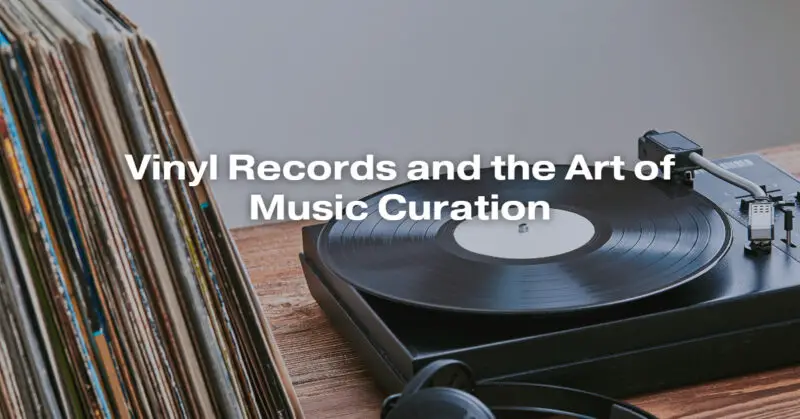
Vinyl records have played a significant role in the art of music curation. The act of selecting, arranging, and presenting music on vinyl is a form of artistic expression that goes beyond simply listening to songs. Here’s a closer look at how vinyl records have contributed to the art of music curation:
1. Album Sequencing:
- Vinyl records require careful consideration of album sequencing. Artists and producers arrange tracks to create a cohesive and immersive listening experience. The order of songs can convey a narrative, emotional arc, or thematic progression.
2. Concept Albums:
- Vinyl records have been instrumental in the creation of concept albums, where the entire record is structured around a central theme, story, or concept. Examples include Pink Floyd’s “The Wall” and The Who’s “Tommy.”
3. Side A and Side B:
- Vinyl records are typically divided into two sides: Side A and Side B. This division encourages artists to think about the flow of music on each side, making it an integral part of the listening experience.
4. Limitations of Length:
- Vinyl’s physical limitations, in terms of the amount of music that can fit on a side, force artists to be selective in their song choices. This constraint can lead to more focused and cohesive albums.
5. Cover Artwork:
- Vinyl covers are a canvas for visual art that complements the music. Artists and designers create album covers that reflect the album’s themes, enhancing the overall curation.
6. Hidden Tracks and Interludes:
- Vinyl records often include hidden tracks, interludes, or segues that add depth and intrigue to the curation. These elements can create a sense of continuity or surprise.
7. Vinyl-Only Tracks:
- Some vinyl releases feature tracks that are exclusive to the vinyl version. These tracks become part of the vinyl collector’s curation, providing an incentive to seek out physical copies.
8. Collector’s Editions:
- Vinyl collectors often seek out limited and collector’s editions of albums that include bonus tracks, alternate versions, or remixes. These editions contribute to a curated collection.
9. Genre Exploration:
- Vinyl enthusiasts curate their collections by exploring different genres and eras. Collecting vinyl allows for a deep dive into specific musical realms, fostering a diverse and curated music library.
10. Personal Mixtapes: – Vinyl records can be used to create personalized mixtapes or playlists. Selecting songs and arranging them on a mixtape is a form of curation that conveys personal emotions or messages.
11. DJ Culture: – DJs use vinyl records as instruments of curation during live performances. They select and mix tracks to create unique and dynamic sonic experiences for their audiences.
12. Preservation of Musical Heritage: – Vinyl records preserve musical heritage by housing timeless classics and influential works. Collectors often curate their vinyl collections with an appreciation for the history and legacy of music.
13. Audiophile Listening: – Audiophiles value vinyl records for their warm and detailed sound. Curating a vinyl collection can involve selecting records with superior audio quality.
14. Ritual and Engagement: – The act of handling vinyl records, selecting an album to play, and experiencing music in a deliberate and tactile way fosters a deeper connection to the music itself.
In the digital age, where playlists and streaming services offer seemingly endless options, vinyl records continue to remind us of the artistry and intentionality that go into music curation. Each vinyl collection tells a unique story, reflecting the curator’s musical journey, tastes, and passions.