
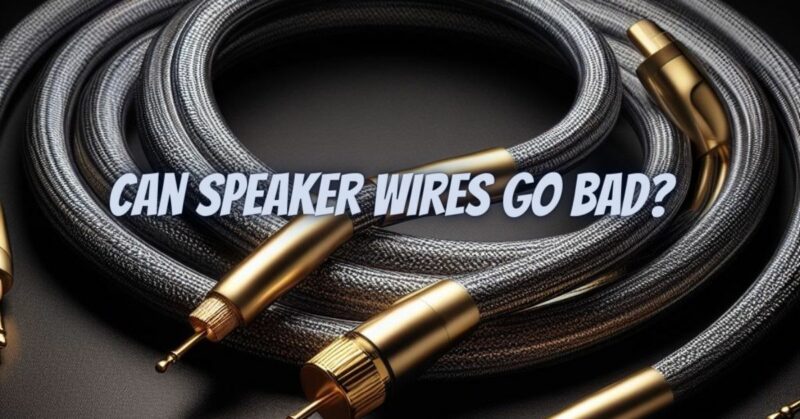
Speaker wires are a fundamental component of any audio system, connecting amplifiers or receivers to speakers to transmit audio signals. Over time, audio enthusiasts and homeowners may wonder whether speaker wires can degrade or “go bad” and, if so, what factors contribute to their deterioration. In this comprehensive article, we will investigate whether speaker wires can indeed go bad, explore the potential causes, and discuss ways to prevent and address any issues.
The Composition of Speaker Wires
Speaker wires, also known as speaker cables, consist of two primary components:
- Conductors: These are typically made of copper, copper-clad aluminum (CCA), or occasionally silver. Conductors carry the electrical current that transmits audio signals from the amplifier to the speakers.
- Insulation: Insulation surrounds the conductors to prevent them from coming into contact with each other or other conductive materials. It also serves as protection against external elements that could cause damage or interference.
Factors That Can Affect Speaker Wire Durability
Several factors can contribute to the deterioration of speaker wires over time, potentially affecting their performance:
- Oxidation: Copper, the most commonly used conductor material in speaker wires, can oxidize when exposed to air over extended periods. Oxidation can lead to increased resistance, resulting in signal loss and reduced audio quality.
- Physical Damage: Speaker wires can be susceptible to physical damage from bending, pinching, or being crushed. Any breaks or cuts in the insulation or conductor can impact the wire’s performance.
- Environmental Factors: Exposure to moisture, extreme temperatures, or sunlight can degrade the insulation and affect the conductors. Moisture, in particular, can lead to corrosion, which increases resistance.
- Poor-Quality Materials: Low-quality or poorly manufactured speaker wires may use subpar materials, such as aluminum conductors or inadequate insulation, leading to quicker degradation.
- Long-Term Use: The cumulative effects of long-term use, including the passage of electrical current and temperature fluctuations, can contribute to gradual wear and tear.
Can Speaker Wires Go Bad?
While speaker wires can degrade over time under specific conditions, it’s essential to note that they don’t necessarily “go bad” in the same way perishable goods do. Instead, they can experience a reduction in performance due to the factors mentioned above. Here’s how these factors affect speaker wires:
- Oxidation: Copper oxidation can lead to increased resistance, resulting in signal loss and a potential reduction in audio quality. However, oxidation typically occurs slowly over an extended period, and the effects may not be immediately noticeable in many cases.
- Physical Damage: Physical damage, such as cuts, breaks, or crimps in the wire or insulation, can cause immediate issues, including signal loss or short circuits. Regular inspections and proper cable management can help prevent physical damage.
- Environmental Factors: Exposure to moisture, extreme temperatures, or sunlight can accelerate degradation. Properly storing speaker wires indoors and away from environmental extremes can help prolong their lifespan.
- Poor-Quality Materials: Speaker wires made from low-quality materials are more prone to degradation. Investing in high-quality cables from reputable manufacturers can mitigate this risk.
- Long-Term Use: With regular use, speaker wires can experience gradual wear and tear, which may eventually lead to diminished performance. However, this process is generally slow and may not be noticeable for many years.
Preventing and Addressing Speaker Wire Issues
To prevent or address potential issues with speaker wires:
- Invest in Quality: Choose high-quality speaker wires with adequate insulation and conductors made from quality materials, such as oxygen-free copper (OFC).
- Proper Installation: Ensure that speaker wires are properly installed, with connectors securely attached and no exposed conductors.
- Regular Inspection: Periodically inspect speaker wires for physical damage, cuts, or exposed wires. Replace damaged cables promptly.
- Cable Management: Proper cable management, including avoiding tight bends or kinks, can prevent physical damage to the wires.
- Environmental Considerations: Protect speaker wires from environmental factors by keeping them indoors and away from moisture, extreme temperatures, and direct sunlight.
- Upgrading: If you suspect that your speaker wires have degraded significantly and are impacting audio quality, consider upgrading to higher-quality cables.
While speaker wires can experience degradation over time due to factors like oxidation, physical damage, environmental exposure, and long-term use, they don’t “go bad” in the traditional sense. Instead, their performance may gradually decline, resulting in potential signal loss or audio quality issues. Regular inspection, proper installation, and investing in quality speaker wires can help mitigate these issues and ensure the longevity and reliability of your audio system. By taking proactive measures and addressing any concerns promptly, you can maintain the optimal performance of your speaker wires for years to come.