
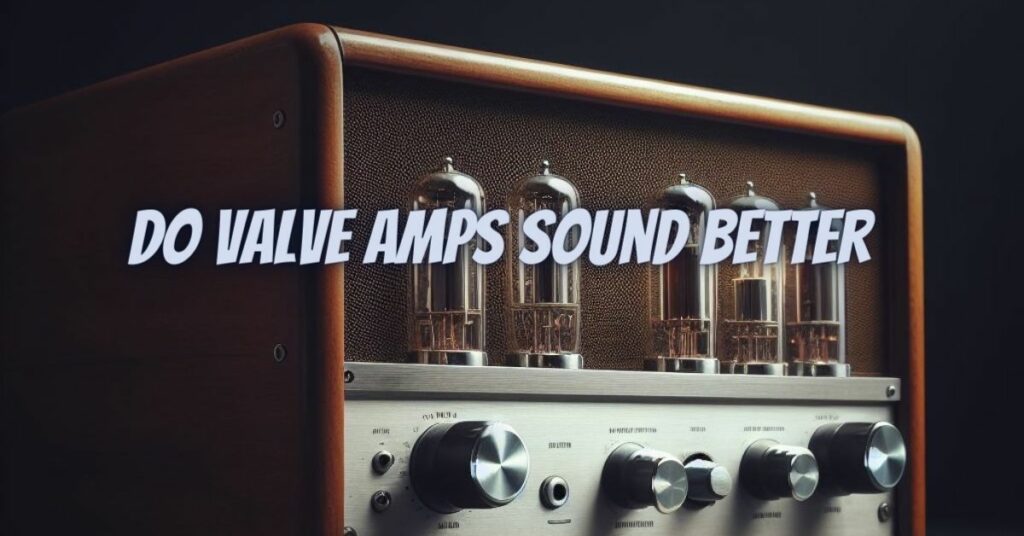
In the realm of audio, the debate over whether valve (tube) amplifiers sound better than their solid-state counterparts has raged on for decades. Audiophiles, musicians, and enthusiasts alike have strong opinions on the matter. Valve amplifiers, also known as tube amplifiers, are renowned for their warm and harmonically rich sound. In this article, we’ll delve into the world of valve amps and explore why they continue to hold a special place in the hearts of audio aficionados.
I. The Allure of Tube Amplifiers
Valve amplifiers have a long and storied history, dating back to the early 20th century. Their appeal can be attributed to several key factors that contribute to their distinctive sound:
- Harmonic Distortion: Unlike solid-state amplifiers, valve amplifiers introduce even-order harmonic distortion. This “coloration” is often described as warm, round, and pleasing to the ears. It adds depth and character to music, contributing to a richer listening experience.
- Dynamic Range: Tube amplifiers are known for their wider dynamic range. They can handle sudden volume changes with ease, making quiet passages and loud crescendos more distinct and engaging. This dynamic range is highly prized in genres like classical and jazz.
- Soft Clipping and Overdrive: Tube amplifiers, when pushed into overdrive, distort the signal gradually and softly. This is in contrast to solid-state amps, which tend to produce harsh, abrupt clipping. The gradual distortion of tube amps is highly favored by guitarists for its musicality and expressive qualities.
II. Tonal Characteristics of Valve Amps
The type of valve used in an amplifier significantly affects its tonal characteristics. The most common valve types are EL34, 6L6, 6550, and KT88. Each of these tubes has distinct tonal qualities:
- EL34 Tubes: Known for their bright and punchy sound, EL34 tubes produce a pronounced midrange. They are often associated with British-style amplifiers and are favored for classic rock tones.
- 6L6 Tubes: 6L6 tubes offer a warmer, cleaner tone with a smooth, extended low end. They are versatile and suitable for a wide range of musical genres.
- 6550 and KT88 Tubes: These tubes deliver a more robust, high-powered sound. They are often found in high-gain and heavy rock amplifiers, offering a tighter low end and more headroom.
III. The Subjectivity of Sound
One crucial aspect of this debate is the subjectivity of sound. What sounds better to one person may not appeal to another. The choice of an amplifier—whether valve or solid-state—depends on individual preferences, musical genre, and the specific components used in an audio system.
IV. The Myth of Objectivity
In the quest for audio perfection, many audiophiles and musicians chase the notion of “objective” sound quality. However, it’s essential to recognize that sound is an inherently subjective experience. What matters most is the listener’s emotional connection with the music.
V. Modern Resurgence of Valve Amps
In an era dominated by solid-state and digital technology, valve amplifiers have enjoyed a resurgence. Musicians, audiophiles, and enthusiasts appreciate the vintage warmth and character of valve amplifiers. Modern designs and technologies have also made tube amplifiers more reliable and accessible than ever before.
The debate over whether valve amplifiers sound better than solid-state counterparts will likely persist as long as people are passionate about music and audio quality. While solid-state technology offers efficiency, portability, and reliability, valve amplifiers provide a unique and musically expressive sound that captures the hearts of enthusiasts and professionals alike. The enduring appeal of valve amplifiers lies in their ability to add warmth, harmonic richness, and character to audio, enhancing the overall listening experience and creating an emotional connection to the music. Ultimately, the question of whether valve amps sound better is a matter of personal preference and the unique experience each listener seeks to achieve.