
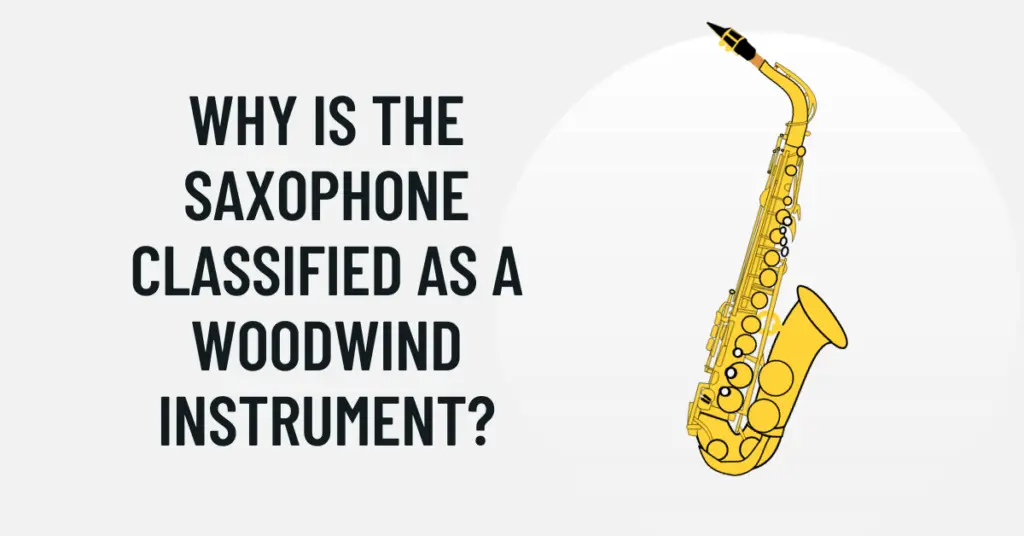
The saxophone, with its smooth and soulful sound, is a beloved instrument in various musical genres, from jazz and classical to rock and pop. Despite its metal construction, the saxophone is classified as a woodwind instrument. This classification might seem counterintuitive at first, but it is rooted in the instrument’s historical development, playing mechanism, and sound production. In this article, we delve into the reasons why the saxophone is classified as a woodwind instrument and explore the fascinating qualities that make it a unique member of the woodwind family.
1. Historical Context:
The saxophone was invented by Adolphe Sax, a Belgian instrument maker, in the early 1840s. Sax aimed to create a versatile instrument that bridged the gap between brass and woodwind instruments, combining the expressive qualities of woodwinds with the projection of brass instruments. By using a single-reed mouthpiece and a conical metal tube, Sax achieved a distinctive sound that echoed the characteristics of traditional woodwind instruments.
2. Single Reed Mouthpiece:
One of the primary reasons for the saxophone’s classification as a woodwind instrument is its use of a single reed mouthpiece. Woodwind instruments, as the name suggests, traditionally used wooden reeds to produce sound. In the case of the saxophone, a single reed made of wood or synthetic material is attached to the mouthpiece. When the player blows air over the reed, it vibrates, producing sound waves. This reed-based sound production aligns the saxophone with other woodwind instruments.
3. Woodwind Playing Technique:
The saxophone employs a similar playing technique to other woodwind instruments. Players use their embouchure (the way they shape their lips and use facial muscles) and breath control to produce different pitches and tones. Additionally, saxophonists use keys and fingerings to change the length of the vibrating air column inside the instrument, altering the pitch. This combination of reed-based sound production and woodwind playing techniques firmly categorizes the saxophone within the woodwind family.
4. Tonal Characteristics:
The saxophone’s warm, melodic, and expressive tone is reminiscent of traditional woodwind instruments. Its ability to produce lyrical, legato lines and its agile articulation make it an essential instrument in various musical genres. Despite its metal construction, the saxophone’s sound is closer in timbre to woodwinds than brass instruments, further justifying its classification.
Conclusion
The saxophone’s classification as a woodwind instrument is a testament to its unique design, playing mechanism, and tonal qualities. Its reed-based sound production, single-reed mouthpiece, woodwind playing technique, and expressive tonal characteristics distinguish it within the woodwind family. As a result, the saxophone has become a versatile and captivating instrument, enriching musical compositions and performances across diverse genres. Its ability to bridge the gap between woodwinds and brass instruments highlights the instrument’s exceptional nature, making it a cherished member of the musical world.