
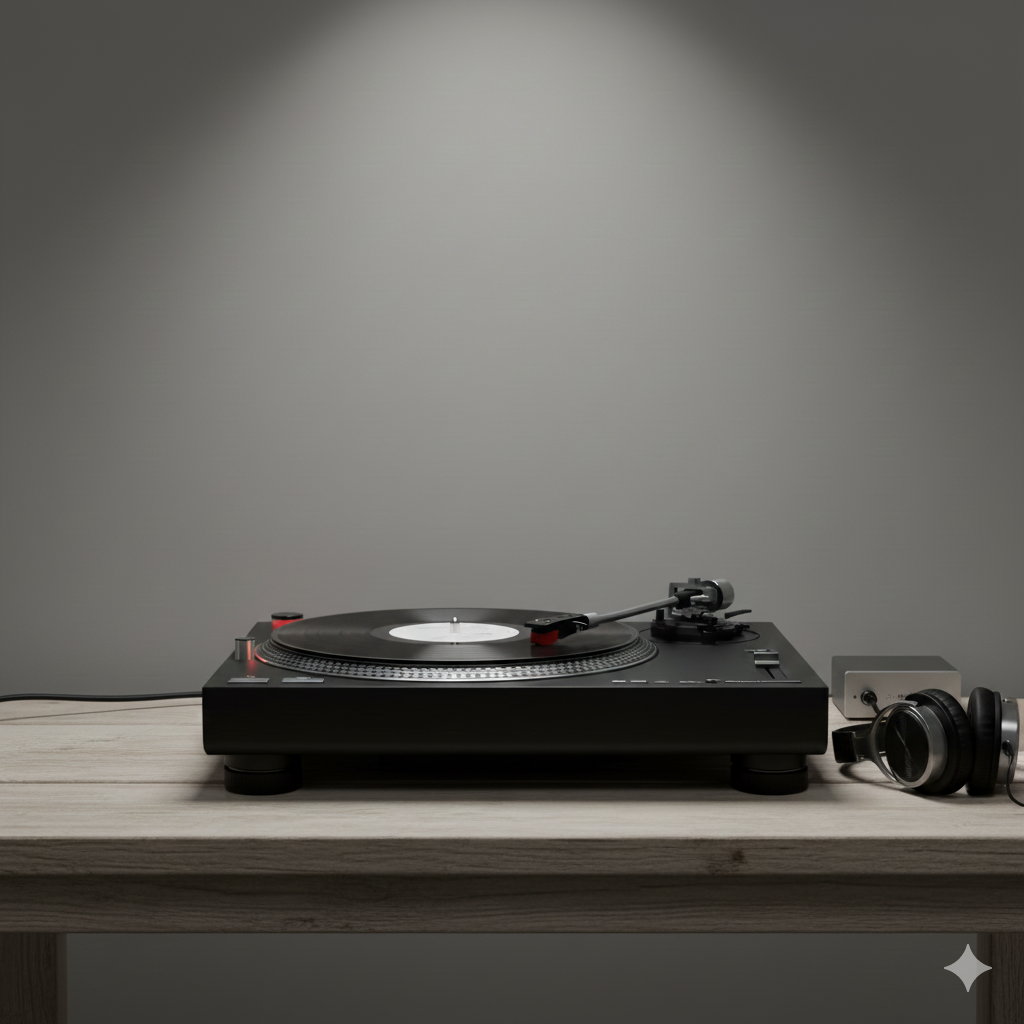
Choosing between a belt-drive and direct-drive turntable is one of the biggest decisions when buying a record player. Each system affects sound quality, speed accuracy, vibration control, and long-term performance. Here’s a simplified, SEO-friendly breakdown to help you choose the right one.
1. How They Work
Belt-Drive Turntables
Use an elastic belt to spin the platter.
Benefits: Better vibration isolation, quieter operation, warmer sound.
Direct-Drive Turntables
Platter sits directly on the motor.
Benefits: Strong torque, faster start-up, excellent speed stability—great for DJs.
2. Key Differences
Speed Accuracy
- Direct-drive: More accurate and stable.
- Belt-drive: Depends on belt condition; may drift as belts wear.
Noise & Vibration
- Belt-drive: Lower vibration, smoother playback.
- Direct-drive: More mechanical noise, but high-end models control it well.
Maintenance
- Belt-drive: Belt needs replacement every few years.
- Direct-drive: Mostly maintenance-free.
Best Use Cases
- Belt-drive: Home listening, audiophiles, quiet environments.
- Direct-drive: DJs, performers, anyone who needs instant start/stop control.
Which One Should You Choose?
Choose Belt-Drive if you want:
- Better sound isolation
- Lower noise
- Classic audiophile performance
Choose Direct-Drive if you want:
- Superior speed accuracy
- High torque
- Reliability and DJ-friendly features
Final Takeaway
Belt-drive = smoother, quieter sound
Direct-drive = stronger performance and stability
Your choice depends on how you listen—and what matters most in your setup.