
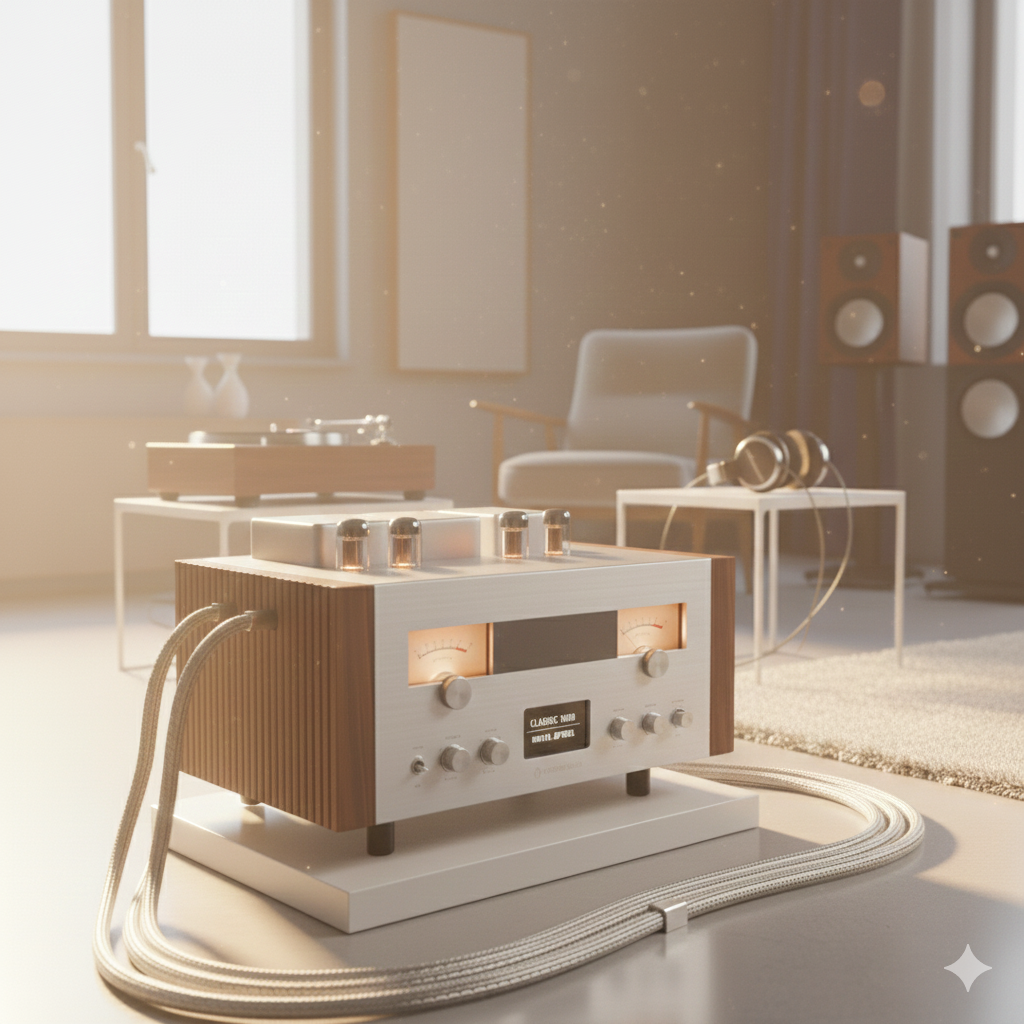
Hi-Fi audio is all about accuracy, detail, and realism. But even the best equipment won’t perform at its peak unless your system is set up, tuned, and fed properly. Improving hi-fi sound quality isn’t just about buying expensive gear—it’s about optimizing every part of the signal chain, from the source to the speakers and the room itself.
This guide covers the most effective, real-world methods to upgrade and refine your hi-fi listening experience.
1. Start With High-Quality Audio Sources
Your hi-fi system can only reproduce what it’s given.
✔ Recommended formats:
- Lossless files: FLAC, ALAC, WAV, AIFF
- High-res audio: 24-bit / 96 kHz or better
- High-quality streaming: Tidal HiFi, Qobuz, Apple Lossless
✘ Avoid:
- Low-bitrate MP3s
- Compressed YouTube audio
- Poor recordings or bad mixes
The cleaner the source, the more accurate the playback.
2. Improve Your Speaker Placement
Speaker positioning is the single most important factor in hi-fi sound quality—often more impactful than equipment upgrades.
✔ Basic placement rules:
- Form an equilateral triangle between the listener and speakers
- Keep speakers away from walls (40–90 cm)
- Angle speakers toward the listening position (toe-in)
- Set tweeters at ear height
Small adjustments can dramatically improve imaging, depth, and clarity.
3. Treat Your Listening Room
Room acoustics often matter more than the gear you use.
Use acoustic treatment:
- Bass traps in corners
- Absorbers at first reflection points
- Diffusers on the back wall
- Thick carpets or rugs to reduce reflections
Room treatment cleans up the soundstage, tightens bass, and improves accuracy across the spectrum.
4. Upgrade or Optimize Your Amplifier
Your amplifier must have enough clean power for your speakers.
For best hi-fi performance:
- Choose amps with high damping factor
- Ensure your amp has sufficient wattage for your speakers’ sensitivity
- Use low-noise, low-distortion designs (Class A, AB, or high-end Class D)
- Match impedance to avoid strain or distortion
Clean power = clean sound.
5. Add a High-Quality DAC (Digital-to-Analog Converter)
A DAC dramatically improves clarity, resolution, and separation.
A good DAC provides:
- Lower noise
- More accurate timing (jitter reduction)
- Wider soundstage
- Improved detail
A dedicated DAC almost always outperforms built-in DACs from laptops, TVs, or entry-level receivers.
6. Optimize Your Speaker Stands and Isolation
Mechanical resonance affects tone, clarity, and bass accuracy.
✔ Improve with:
- Heavy, well-damped speaker stands
- Isolation pads or feet
- Blu-tack or gel pads to reduce vibration
- Rigid, stable platforms
Better isolation = tighter bass and clearer mids.
7. Use High-Quality Cables (But Avoid Snake Oil)
Cables matter, but only to a practical extent.
✔ Focus on:
- Proper gauge speaker wire
- Oxygen-free copper (OFC)
- Solid RCA/XLR connectors
- Minimal signal loss
✘ Ignore:
- Exotic, overpriced “miracle” cables
- Claims of dramatic sound changes from cable swaps
Good cables ensure clean signal transfer—no more, no less.
8. Calibrate Your System
Proper system tuning can transform your hi-fi setup.
Checklist:
- Set correct speaker distance and levels
- Use room correction software (if available)
- Adjust tone controls modestly
- Avoid excessive EQ boosts
Calibration ensures your gear performs exactly as intended.
9. Improve Power Quality
Clean, stable power equals cleaner sound.
Consider:
- Power conditioners
- EMI/RFI filters
- High-quality surge protection
- Dedicated power circuits (for high-end setups)
Cleaner power reduces noise and enhances dynamics.
10. Use a Subwoofer (Correctly Integrated)
A well-integrated sub dramatically improves clarity—not just bass.
Benefits:
- Relieves main speakers of deep bass
- Creates smoother low-frequency response
- Expands soundstage
- Reduces distortion
- Makes music more dynamic and lifelike
Proper crossover and level tuning is essential for hi-fi accuracy.
11. Maintain Your Equipment
A well-maintained system always performs better.
Tips:
- Keep connectors clean
- Check for loose terminals
- Dust your gear regularly
- Update firmware for streamers/DACs
- Replace aging speaker surrounds if needed
Clean gear = clean sound.
Final Thoughts
Improving hi-fi sound quality is about precision, balance, and environment—not just expensive hardware. With proper speaker placement, room treatment, clean sources, accurate tuning, and the right components, you can achieve a stunning, immersive listening experience that feels alive.