
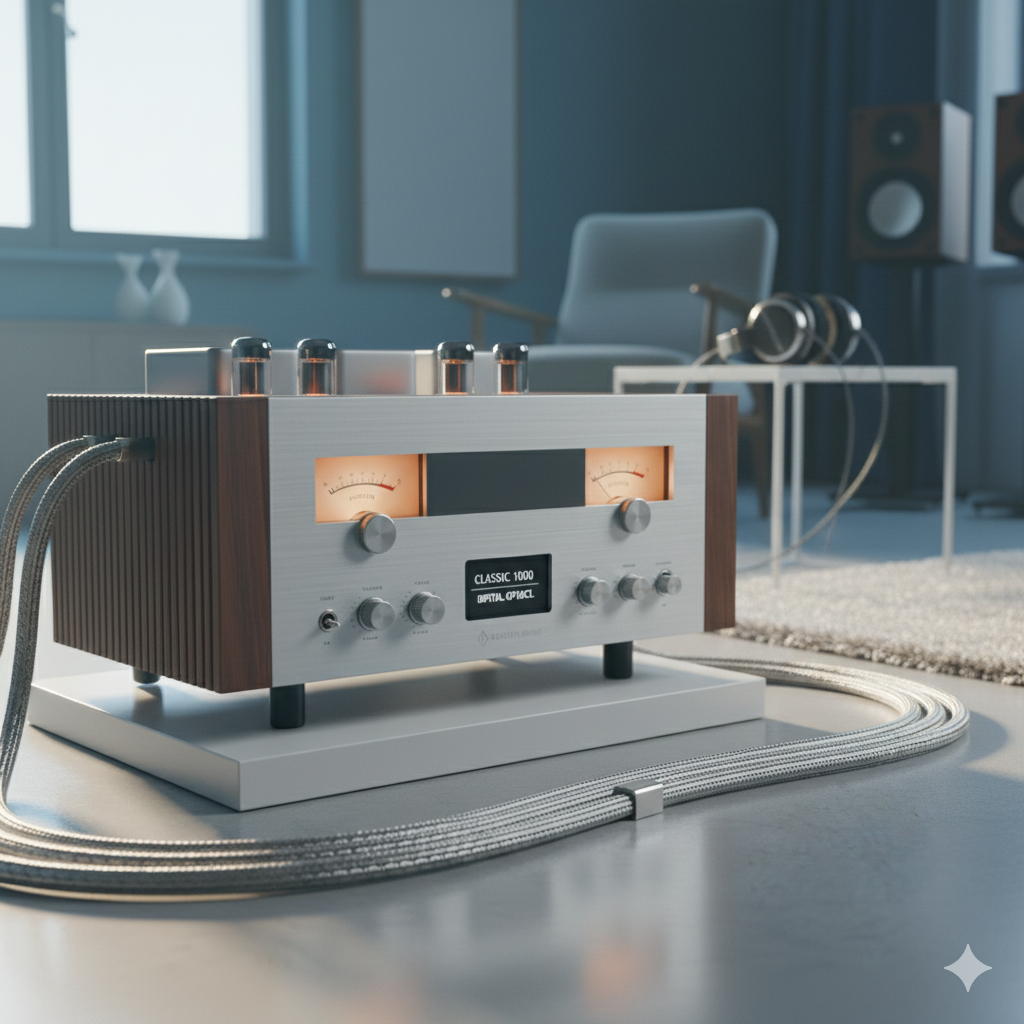
A great amplifier can transform your sound system—but even the best amp won’t perform well if it’s not optimized correctly. Whether you’re improving a car audio setup or a home stereo system, there are several key steps that dramatically enhance clarity, loudness, warmth, and overall audio quality.
This featured article explains exactly how to improve the sound quality of your amplifier, from simple adjustments to deeper upgrades.
1. Optimize Your Gain Settings
Improper gain is the #1 cause of distortion, noise, and poor sound quality.
✔ What to Do:
- Set gain using test tones, not music
- Avoid setting by “ear”—this leads to clipping
- Use –5 dB or –10 dB tones for clean headroom
- Stop increasing gain once clipping or distortion begins
Correct gain = louder sound, less noise, and better dynamic range.
2. Use High-Quality Source Audio
Your amp can only amplify what it receives.
Upgrade your source:
- Choose high-bitrate audio (256 kbps+, or lossless)
- Use FLAC, WAV, or High-Res streaming
- Avoid highly compressed audio from cheap streams
Garbage in = garbage out (even with a high-end amp).
3. Upgrade the Wiring
Bad wiring introduces noise, voltage drops, and weak performance.
Use:
- OFC (oxygen-free copper) power and speaker wire
- Properly sized power cables for your amp’s wattage
- High-quality RCA interconnects with good shielding
Cleaner power + cleaner signal = cleaner sound.
4. Improve Power Delivery
Amplifiers sound best when they receive stable voltage/current.
Tips:
- Add a power capacitor for systems with big bass peaks
- Use the proper fuse size and distribution blocks
- For car audio, upgrade the Big 3 wiring (alternator → battery → chassis)
Underpowered amps distort faster—strong power prevents this.
5. Check and Adjust Crossovers
Incorrect crossover points cause muddy mids or harsh highs.
Recommended starting points:
- Subwoofer low-pass: 70–90 Hz
- Midrange high-pass: 80–100 Hz
- Tweeter high-pass: 2.5–4 kHz
Proper crossover tuning gives each speaker only the frequencies it performs best with.
6. Use an Equalizer (EQ) or DSP
Amplifiers don’t shape sound—equalizers and DSPs do.
What a DSP/EQ improves:
- Imaging
- Tonal balance
- Subwoofer blending
- Mid/high clarity
- Room/vehicle frequency correction
A DSP is the single most powerful upgrade for sound quality.
7. Improve Speaker Quality
Even the best amp cannot compensate for low-grade speakers.
Best speaker upgrades:
- Component speaker sets
- High-efficiency drivers
- Rigid cone materials (carbon fiber, kevlar, aluminum)
- High-quality subwoofer
Speaker quality has more impact than amplifier brand.
8. Proper Speaker Placement and Enclosures
Placement matters more than people expect.
For home audio:
- Follow the equal triangle rule
- Keep speakers away from walls to reduce reflections
- Angle (toe-in) tweeters toward the listening position
For car audio:
- Seal speaker doors properly
- Use deadening to eliminate rattles and resonance
- Choose a sub box that matches the sub’s specs (sealed, ported, bandpass)
Good enclosures = tighter bass + clearer mids.
9. Reduce Noise and Interference
Hiss, buzz, and hum destroy sound quality.
Fix common causes:
- Ground loops → move ground point or add isolator
- Poor RCAs → upgrade shielding
- Noisy power sources → separate signal and power lines
- Clipping → reduce gain or bass boost
Noise-free amplifiers sound dramatically cleaner.
10. Avoid Bass Boost and Cheap EQ Tricks
Bass boost often causes distortion at low volumes.
Better alternatives:
- Increase subwoofer level on the amp, not bass boost
- Adjust crossover so subs and mids blend smoothly
- Use a DSP for low-frequency tuning
Clean bass > loud muddy bass.
11. Keep Your Amplifier Cool
Heat reduces output power and increases distortion.
Cooling tips:
- Ensure proper ventilation
- Avoid stuffing amps under seats without airflow
- Add a cooling fan if needed
- Never mount amps upside-down
Cool amps perform better and last longer.
Final Thoughts
Improving your amplifier’s sound quality isn’t just about the amp itself—it’s about the entire audio chain. By optimizing gain, improving wiring, tuning crossovers, upgrading speakers, and maintaining clean power, any amplifier can deliver dramatically better sound.
A well-tuned system always outperforms a more expensive system that’s set up poorly.