
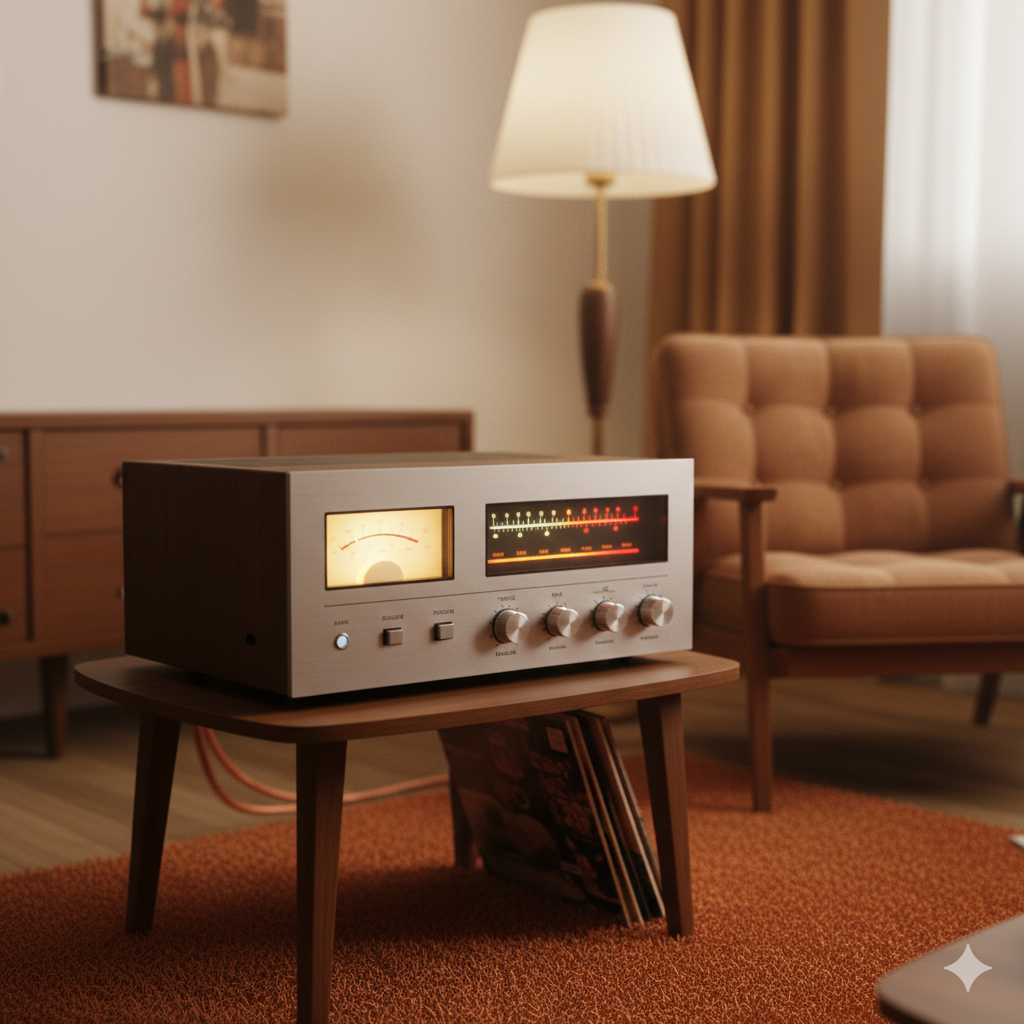
An amplifier that can’t provide enough clean power for your speakers doesn’t just limit performance—it can ruin the listening experience and even damage your speakers. But how do you know if your amp is underpowered? The symptoms aren’t always obvious, and many people mistake the signs for speaker problems instead.
This article breaks down the telltale indicators and explains how to diagnose power limitations before they cause harm.
🎧 What Does “Underpowered” Really Mean?
An amp is underpowered when it cannot deliver enough clean RMS wattage or current to drive your speakers at your desired volume level. This doesn’t mean the system won’t play—it means the amp is being pushed past its clean operating limits.
When that happens, the amp starts to distort, clip, overheat, and struggle.
🔍 8 Signs Your Amp Is Underpowered
1. You Hear Distortion at Moderate or High Volumes
This is the classic symptom of an underpowered amp.
When an amp runs out of clean power:
- Vocals sound harsh
- Instruments become gritty
- Bass “breaks up” or loses definition
This is clipping—the amp’s “I can’t keep up” warning sign.
2. The System Gets Much Louder When You Upgrade the Amp
If switching to a more powerful amp suddenly makes your speakers come alive, your old amp was the bottleneck.
Signs include:
- Better bass impact
- Cleaner mids
- More effortless loudness
Speakers aren’t weak—your amp just wasn’t feeding them enough.
3. You Need to Turn the Volume Knob Very High
If you’re constantly running the knob above 70–80% just to get satisfying volume, your amp may not have enough power or voltage swing to drive your speakers properly.
4. Bass Feels Weak or Thin
Low frequencies require more power.
An underpowered amp often:
- Loses control of the woofers
- Produces muddy or soft bass
- Fails to deliver punch at higher volumes
This is a power supply being pushed to its limits.
5. The Amp Overheats Easily
Underpowered amps often have to work harder to achieve loudness, and the extra strain turns into heat.
If your amp shuts off, gets hot, or enters protection mode, it’s struggling.
6. You Hear Sudden Dropouts or Protection-Mode Shutdowns
Many modern amps protect themselves by shutting down when overloaded.
This happens when:
- Driving low-impedance speakers
- Playing dynamic passages loudly
- Using all channels in a home theater receiver
If the amp trips protection mode, it’s a strong indicator it’s being asked to do more than it can handle.
7. You Have Low-Sensitivity Speakers
Speakers with sensitivity below 88 dB require significantly more power.
If you pair them with:
- A small amp
- An AVR with a weak power supply
- A budget Class AB unit
…the amp may simply not have the muscle to deliver clean volume.
8. Detail and Clarity Collapse at High Volumes
When an amp approaches its limit, the soundstage collapses:
- Highs become harsh
- Mids get congested
- Instruments lose separation
This is subtle clipping—less obvious but still dangerous.
⚠️ Why an Underpowered Amp Is Dangerous
Contrary to popular belief, less power is NOT safer.
Pushing a small amp too hard creates clipping, which sends damaging distortion to the speakers—especially tweeters.
A powerful amp used properly is safer than an underpowered one pushed to its limits.
🛠️ How to Fix an Underpowered System
✔️ 1. Upgrade to a more powerful amplifier
Look for an amp whose RMS output matches or exceeds your speakers’ needs.
✔️ 2. Choose speakers with higher sensitivity
High-sensitivity models need less power to get loud.
✔️ 3. Add a subwoofer (for home audio)
This takes bass load off the amp and speakers.
✔️ 4. Use an external power amp with an AVR
This is often the best solution for home theater setups.
✔️ 5. Keep volume levels reasonable
Avoid pushing the amp to clipping territory.
✅ Bottom Line
Your amp is underpowered if it distorts, overheats, shuts down, or struggles to deliver clean volume. Paying attention to these signs prevents damage and helps you build a system that sounds clear, dynamic, and effortless.
A well-powered system doesn’t just play louder—it plays cleaner, safer, and better.