
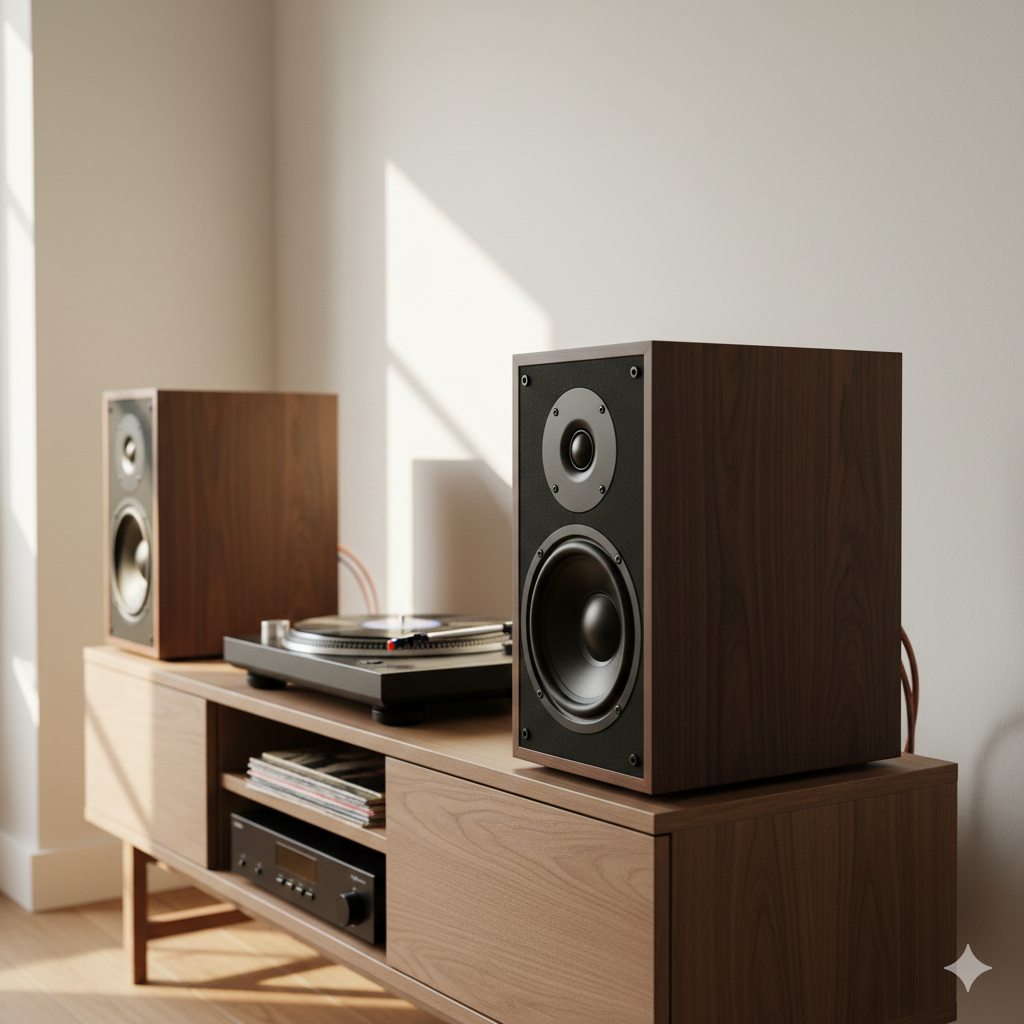
Matching an amplifier to a pair of speakers can be confusing, especially when you notice that your amp’s wattage is higher than what your speakers can handle.
A common worry is:
“Will a powerful amp damage my speakers?”
The short answer:
A more powerful amp is usually safe—and often better—as long as you use it responsibly.
But pushing it too hard can definitely destroy speakers.
This featured guide explains exactly what happens, what’s safe, what’s dangerous, and how to match your system correctly.
🔊 Is It Safe to Use an Amp That’s More Powerful Than My Speakers?
✔ YES — If You Use It Carefully
A powerful amp is actually less likely to damage your speakers when used properly, because it provides:
- Clean power
- Low distortion
- Better headroom
- Stronger bass control
Most speaker damage happens from distortion and clipping, not from simply having too many watts available.
❌ NO — If You Turn It Up Too High
If you push a powerful amp to extreme levels, it can damage speakers by sending more power than they are rated to handle.
Possible damage includes:
- Burned voice coils
- Torn drivers
- Overheated tweeters
- Mechanical excursion failure
But this only happens when you exceed safe volume levels, not simply because the amp has a higher watt rating.
🎧 Why a More Powerful Amp Is Often Better
Many audio enthusiasts actually recommend using an amplifier that is slightly more powerful than your speakers require.
Here’s why:
1. You Get More Headroom
Headroom means the amp can handle sudden peaks (explosions, drums, bass hits) without stress.
2. You Avoid Clipping
A weak amplifier pushed too hard will distort (clip), which is far more dangerous to speakers than clean power.
3. You Get Cleaner, More Dynamic Sound
A strong amp plays effortlessly.
4. It Allows Speakers to Perform at Their Best
Especially for large woofers or low-sensitivity speakers.
💥 The Real Danger: Clipping, Not Power
Most people assume speakers blow because of “too many watts.”
But the truth is:
🔻 Underrated amps cause clipping
A weak amp (not a strong one) is more likely to destroy speakers because clipping sends:
- Harsh, distorted signal
- High-energy frequencies
- Excessive heat into the tweeter
Tweeters burn out fast from clipped audio.
🔺 Overpowered amps send clean energy
As long as you don’t exceed safe volume levels, the speaker receives a controlled, clean signal.
🔍 Signs You’re Pushing Your Speakers Too Hard
If any of the following happen, turn the volume down immediately:
- Distortion
- Crackling
- Harsh treble
- Bass “bottoming out”
- Speaker cone rattling
- Amp overload lights flashing
These are early warnings of damage.
📏 How to Match Amps and Speakers Properly
Here’s a safe rule of thumb:
Best match:
Speaker continuous rating: 50–100W
Amp continuous rating: 75–150W
In other words:
Amp should be 1.5× to 2× the speaker’s RMS rating.
This gives ideal headroom without danger—assuming normal listening behavior.
🔧 What Happens If the Amp Is Much More Powerful?
Example:
200W speakers paired with a 1,000W amplifier.
This is safe only if you:
- Keep volume low
- Avoid sudden peaks
- Use a limiter (in pro audio setups)
- Enable speaker protection features
But if you turn the amp up to full potential, the speakers will blow.
✔ Final Verdict
A powerful amplifier will not harm your speakers as long as you use it sensibly.
- Safe: Amp > speaker power rating (moderate difference)
- Unsafe: Amp > speaker rating AND volume too high
- Most damage comes from: Clipping, not wattage
- Best setup: Amp with 1.5×–2× the speaker’s RMS rating
A stronger amp gives better sound quality, lower distortion, and more headroom—just don’t push it past what your speakers can handle.