
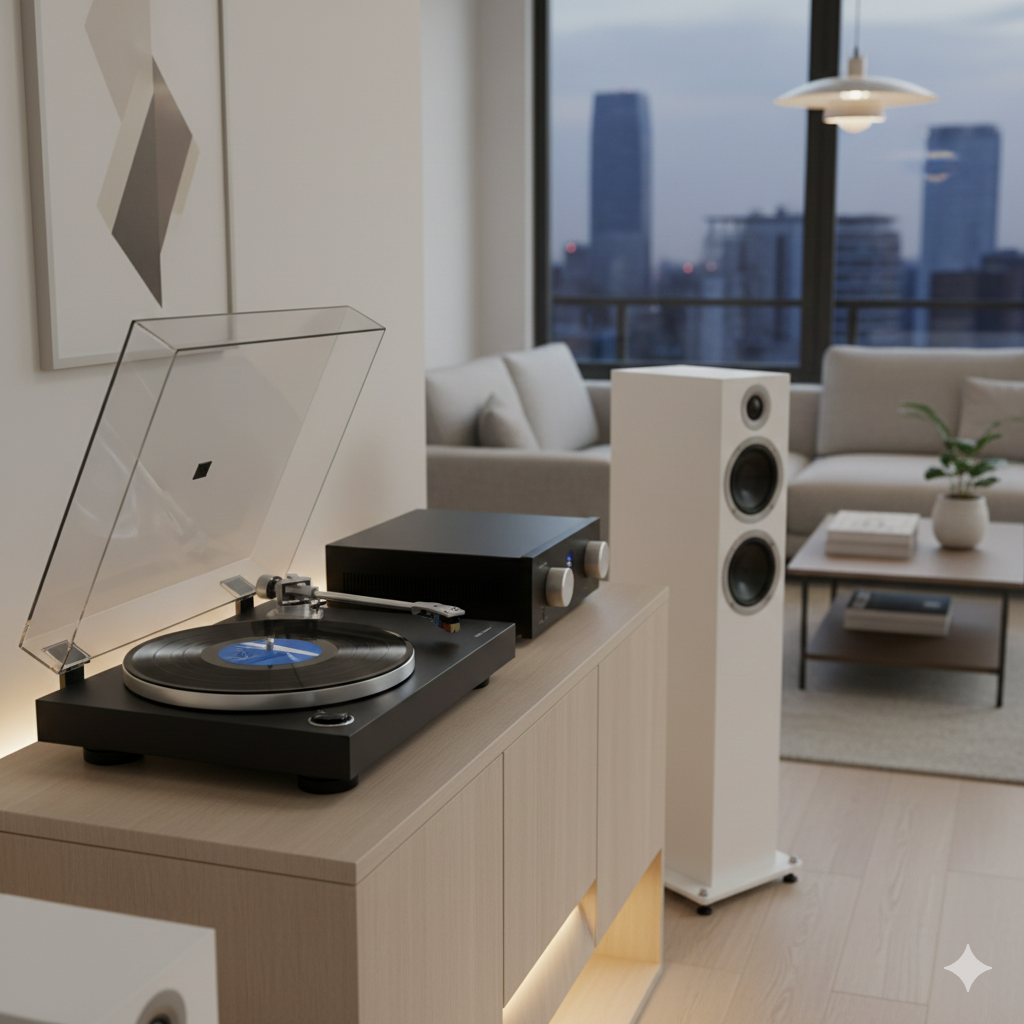
Ask any vinyl enthusiast whether vintage or modern turntables are better, and you’ll likely hear passionate arguments from both sides. Some swear by the warmth and build quality of classic decks, while others value the precision, convenience, and reliability of modern designs.
So which is actually better?
The truth is: it depends on what you value most. This guide breaks down the real differences, strengths, and trade-offs between vintage and modern turntables to help you choose the right one for your setup.
What Defines a Vintage vs Modern Turntable?
Vintage Turntables
- Typically built from the 1960s–1980s
- Often fully mechanical or analog
- Includes idler-wheel, belt, and early direct-drive designs
Modern Turntables
- Generally built after the 2000s
- Focus on simplified design and modern manufacturing
- Often include digital convenience features
Build Quality: Then vs Now
Vintage Turntables
Pros
- Heavy platters and solid metal parts
- Overbuilt motors and bearings
- Designed for long service life
Cons
- Aging materials (rubber, capacitors)
- May require restoration
Many vintage turntables were built to last decades—and they have.
Modern Turntables
Pros
- Consistent manufacturing quality
- Improved materials and tolerances
- Lightweight designs reduce shipping and cost
Cons
- Some budget models feel less robust
- Cost-cutting at entry levels
High-end modern decks can match or exceed vintage build quality.
Sound Quality: Is One Better?
Vintage Sound Characteristics
- Often described as “warm” or “full”
- Excellent speed stability in classic direct-drive and idler models
- Strong bass presence
Modern Sound Characteristics
- Cleaner, more neutral presentation
- Lower noise floors
- Better isolation in well-designed models
Sound quality depends more on design and condition than age.
Speed Accuracy and Stability
Vintage Strengths
- Legendary direct-drive motors (e.g., quartz-locked)
- Heavy platters provide rotational inertia
Vintage Weaknesses
- Belts and idlers may need replacement
- Old electronics can drift
Modern Advantages
- Improved motor control circuits
- Consistent factory calibration
- Easy speed switching
Both can be excellent when properly maintained.
Features and Convenience
Vintage Turntables
Common Features
- Full or semi-automatic operation
- Mechanical controls
- Solid cueing systems
Limitations
- No USB or Bluetooth
- Limited modern connectivity
Modern Turntables
Common Features
- Built-in phono preamps
- USB recording
- Bluetooth streaming
- Simple setup
Convenience is where modern turntables shine.
Maintenance and Reliability
Vintage
- Requires periodic servicing
- Parts availability varies
- Ideal for DIY enthusiasts
Modern
- Lower maintenance initially
- Warranty support
- Easier plug-and-play experience
Vintage ownership is a hobby; modern ownership is simpler.
Upgrade and Modding Potential
Vintage
- Often highly moddable
- Excellent tonearm and plinth upgrades possible
Modern
- Entry-level models may be limited
- Mid-to-high-end models offer strong upgrade paths
Both can grow with you—if chosen wisely.
Cost and Value
Vintage Value
- Exceptional performance per dollar (if serviced)
- Rising collector prices for classic models
Modern Value
- Predictable pricing
- No restoration costs
- Clear performance tiers
Vintage can be a bargain—or a project.
Which One Should YOU Choose?
Choose a Vintage Turntable If:
- You enjoy mechanical systems
- You don’t mind maintenance
- You want classic design and feel
- You value heavy, overbuilt construction
Choose a Modern Turntable If:
- You want reliability and warranty
- You prefer simple setup
- You need modern features
- You want consistent, hassle-free playback
There Is No “Better”—Only Better for You
Vintage turntables offer character, history, and often exceptional engineering. Modern turntables offer convenience, precision, and peace of mind. Both can deliver outstanding sound when properly set up.
The best turntable is the one that fits your lifestyle, budget, and listening habits—not the era it comes from.
Final Thoughts
The vinyl resurgence has given us the best of both worlds: beautifully preserved classics and thoughtfully engineered modern decks. Whether you choose vintage or modern, careful setup, proper maintenance, and good records matter far more than age.
Great sound doesn’t belong to a decade—it belongs to good design.