
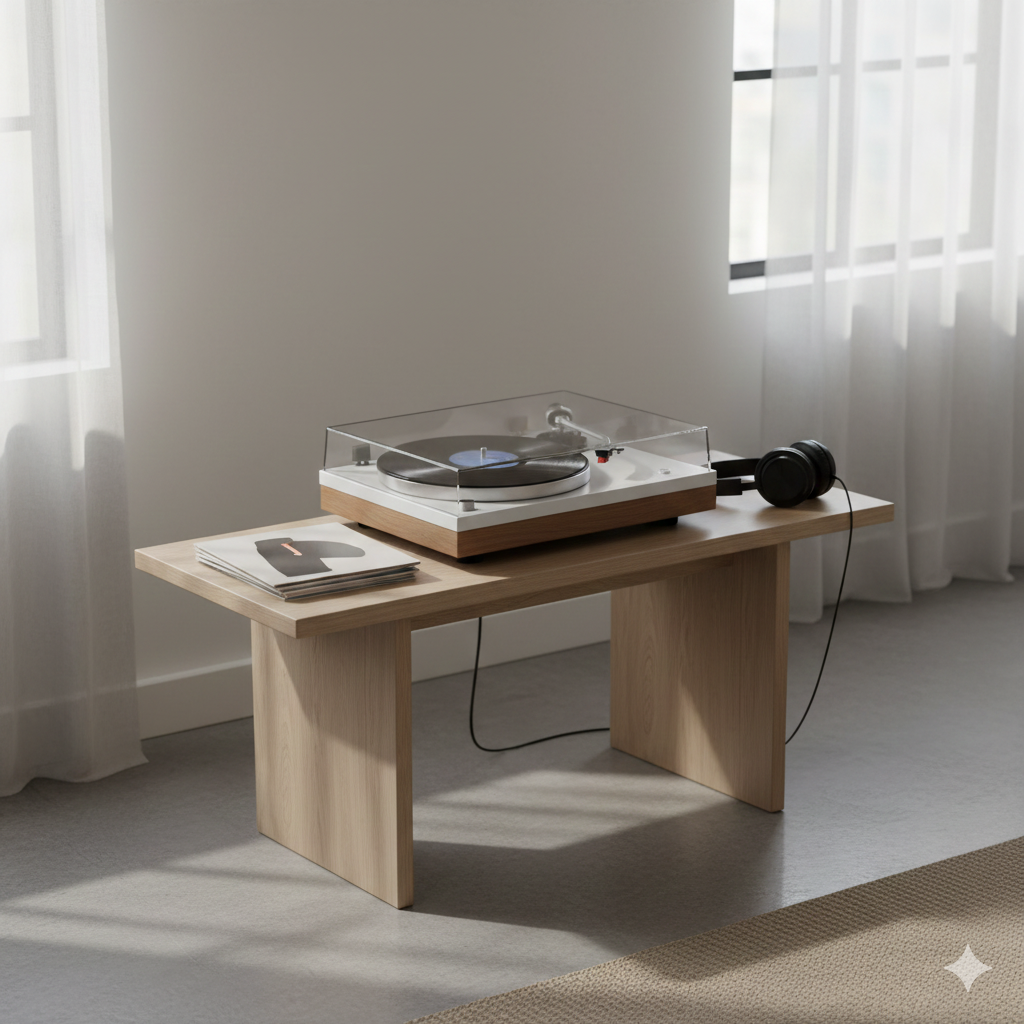
A turntable motor should be something you never notice. When it becomes audible—through hum, vibration, or mechanical noise—it can distract from the music and reduce overall sound quality. Motor noise is a common issue, especially with aging or poorly isolated turntables, but the good news is that it’s often fixable.
Understanding why your turntable motor is noisy is the first step toward restoring quiet, smooth playback.
What Motor Noise Sounds Like
Motor noise can present itself in several ways:
- Low-frequency hum through the speakers
- Mechanical buzzing or grinding from the plinth
- Vibration felt through the turntable chassis
- Intermittent noise during start-up or speed changes
Identifying the type of noise helps narrow down the cause.
Common Causes of Turntable Motor Noise
1. Worn or Dry Motor Bearings
Over time, motor bearings can dry out or wear, increasing friction and noise.
Fix:
- Consult the manufacturer’s service guide
- Lubricate motor bearings only if specified
- Use the correct oil in very small amounts
If bearings are severely worn, professional service may be required.
2. Motor Mount Deterioration
Many turntables use rubber grommets or suspension mounts to isolate motor vibration. These can harden or crack with age.
Fix:
- Inspect motor mounts
- Replace deteriorated rubber components
- Ensure the motor is not rigidly coupled to the plinth
Fresh mounts can dramatically reduce noise.
3. Belt Issues (Belt-Drive Turntables)
A stretched, glazed, or contaminated belt can transmit motor noise and cause speed instability.
Fix:
- Replace old belts
- Clean the motor pulley and sub-platter
- Avoid touching belts with oily fingers
Belts are inexpensive and often overlooked.
4. Electrical Hum and Grounding Problems
Some motor noise is actually electrical hum entering the audio signal.
Fix:
- Check grounding wires
- Keep motor power cables away from signal cables
- Use a properly grounded outlet
This is especially common with older or modified turntables.
5. Motor Alignment and Pulley Issues
A misaligned motor or bent pulley can cause vibration and audible noise.
Fix:
- Inspect pulley alignment
- Ensure the motor shaft is straight
- Tighten loose mounting screws (without over-tightening)
Even slight misalignment can be audible.
6. External Vibration and Placement
Sometimes the motor isn’t the real problem.
Fix:
- Place the turntable on a stable, level surface
- Use isolation feet or platforms
- Keep it away from speakers and subwoofers
External vibration can amplify normal motor noise.
Direct-Drive vs Belt-Drive Motor Noise
- Direct-drive turntables rely on sophisticated motor control; noise often points to electronic or servo issues.
- Belt-drive turntables isolate motors better but depend on belt condition and mount quality.
Knowing your drive type helps target solutions.
What You Should NOT Do
- Don’t over-lubricate the motor
- Don’t spray oil or cleaner into sealed motors
- Don’t ignore worsening noise
- Don’t run the motor dry or grinding
These mistakes can cause permanent damage.
When Professional Service Is Needed
Seek professional help if:
- Noise persists after basic fixes
- The motor emits grinding or scraping sounds
- Speed becomes unstable
- Electrical components appear faulty
Motor replacement or rebuild may be the safest option.
Preventing Motor Noise in the Future
- Replace belts regularly
- Store the turntable in stable conditions
- Avoid excessive heat and humidity
- Perform periodic inspections
Preventive care is easier than repair.
Final Thoughts
A noisy turntable motor isn’t something you have to live with. In many cases, the problem can be traced to aging parts, poor isolation, or simple maintenance issues. By identifying the cause and applying the right fix, you can restore the quiet foundation your vinyl playback depends on.
When your motor runs silently, the music takes center stage—exactly as it should.