
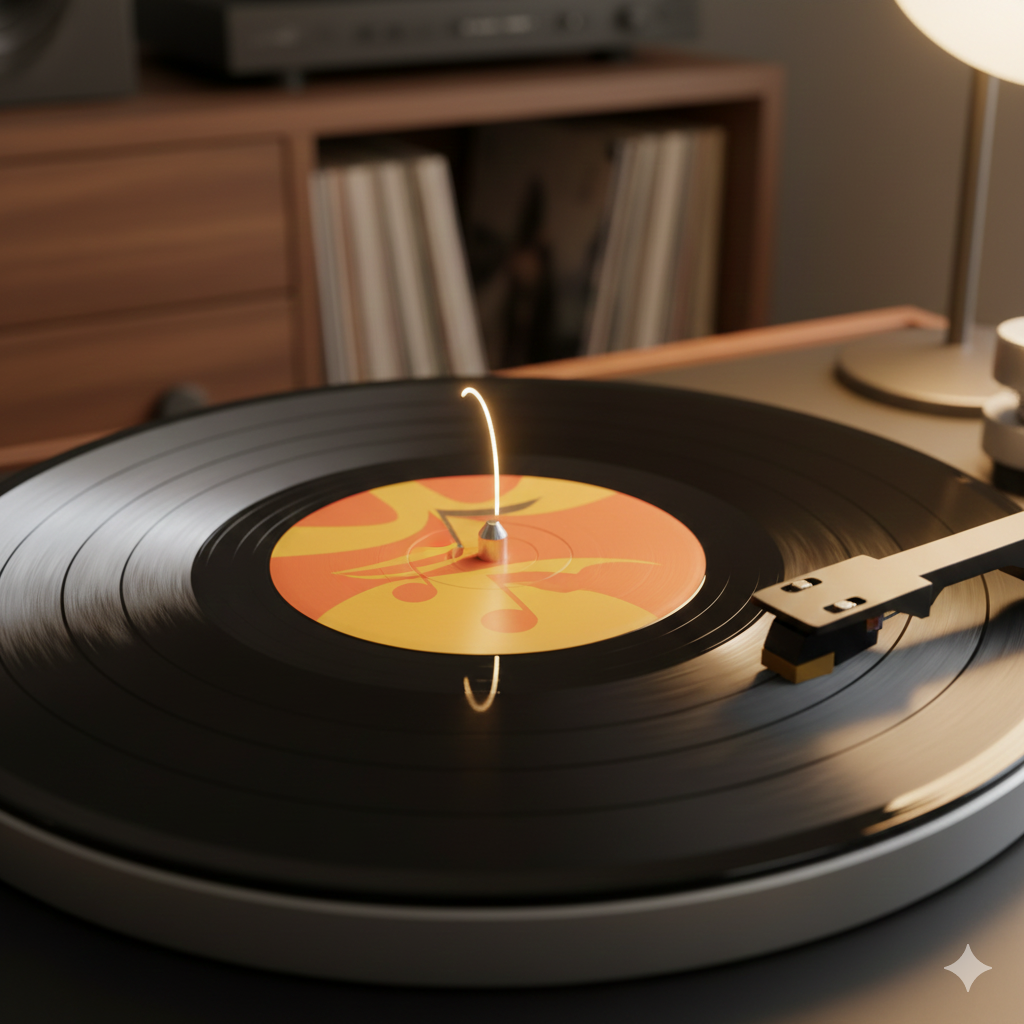
For vinyl lovers, record cleaning machines (RCMs) often spark debate. Some see them as essential tools for serious listening, while others consider them expensive luxuries. So the big question is:
Do record cleaning machines really make a difference?
The short answer: yes—but how much depends on your collection, listening habits, and expectations. Let’s take a closer look.
What Is a Record Cleaning Machine?
A record cleaning machine is designed to remove dirt, dust, oils, and contaminants from deep inside record grooves—areas that manual brushing simply can’t reach.
Common Types of Record Cleaning Machines
- Manual bath systems (e.g., Spin-style cleaners)
- Vacuum-based machines
- Ultrasonic record cleaners
Each type offers different levels of effectiveness, cost, and convenience.
What Problems Do Record Cleaning Machines Solve?
Even well-kept records accumulate contaminants that cause:
- Pops, clicks, and crackle
- Loss of detail and clarity
- Distortion during loud passages
- Increased stylus and groove wear
RCMs address these issues at the groove level—not just the surface.
The Audible Difference: What Most Listeners Hear
After proper machine cleaning, listeners commonly report:
- Lower noise floor (quieter backgrounds)
- Improved detail and separation
- Better tracking and dynamics
- More consistent playback across sides
On heavily soiled or used records, the improvement can be dramatic—sometimes transforming an unlistenable record into a near-silent one.
Manual Cleaning vs Record Cleaning Machines
Hand Cleaning (Brushes & Cloths)
Pros
- Inexpensive
- Quick for light dust removal
Cons
- Can’t remove embedded grime
- Risk of pushing dirt deeper into grooves
Record Cleaning Machines
Pros
- Deep groove cleaning
- Consistent results
- Reduced static and residue
Cons
- Higher cost
- Requires space and setup
If sound quality matters, machines clearly outperform manual methods.
Vacuum vs Ultrasonic: Is One Better?
Vacuum Record Cleaning Machines
- Use fluid agitation plus suction
- Excellent for removing loose and oily debris
- Faster drying times
Ultrasonic Record Cleaners
- Use cavitation bubbles to dislodge microscopic particles
- Extremely effective on deep, stubborn contamination
- Ideal for archival or high-end collections
🎧 Many serious collectors use both: ultrasonic cleaning followed by vacuum drying.
Are Record Cleaning Machines Worth It for Everyone?
They’re Worth It If You:
- Own many used records
- Hear persistent noise despite careful handling
- Invest in quality cartridges and speakers
- Care about preserving records long-term
You May Not Need One If You:
- Only buy new records
- Play vinyl occasionally
- Are satisfied with basic dry/wet cleaning
Do They Extend Stylus and Record Life?
Yes. Cleaner grooves reduce friction and prevent abrasive particles from wearing down:
- Stylus tips
- Record grooves
- Cartridge suspensions
Over time, this can save money on replacements and protect valuable pressings.
Common Myths About Record Cleaning Machines
“They’re only for audiophiles.”
Not true—anyone bothered by surface noise can benefit.
“They’ll fix damaged records.”
They remove dirt, not groove wear or scratches.
“Manual cleaning is just as good.”
For light dust, yes. For deep contamination, no.
The Verdict
So—do record cleaning machines really make a difference?
Absolutely. While they’re not mandatory for every vinyl listener, they offer:
- Noticeable sound quality improvements
- Longer record and stylus life
- More enjoyable, consistent playback
If vinyl is more than a casual hobby for you, a record cleaning machine is one of the most impactful upgrades you can make—often more noticeable than changing cables or accessories.