
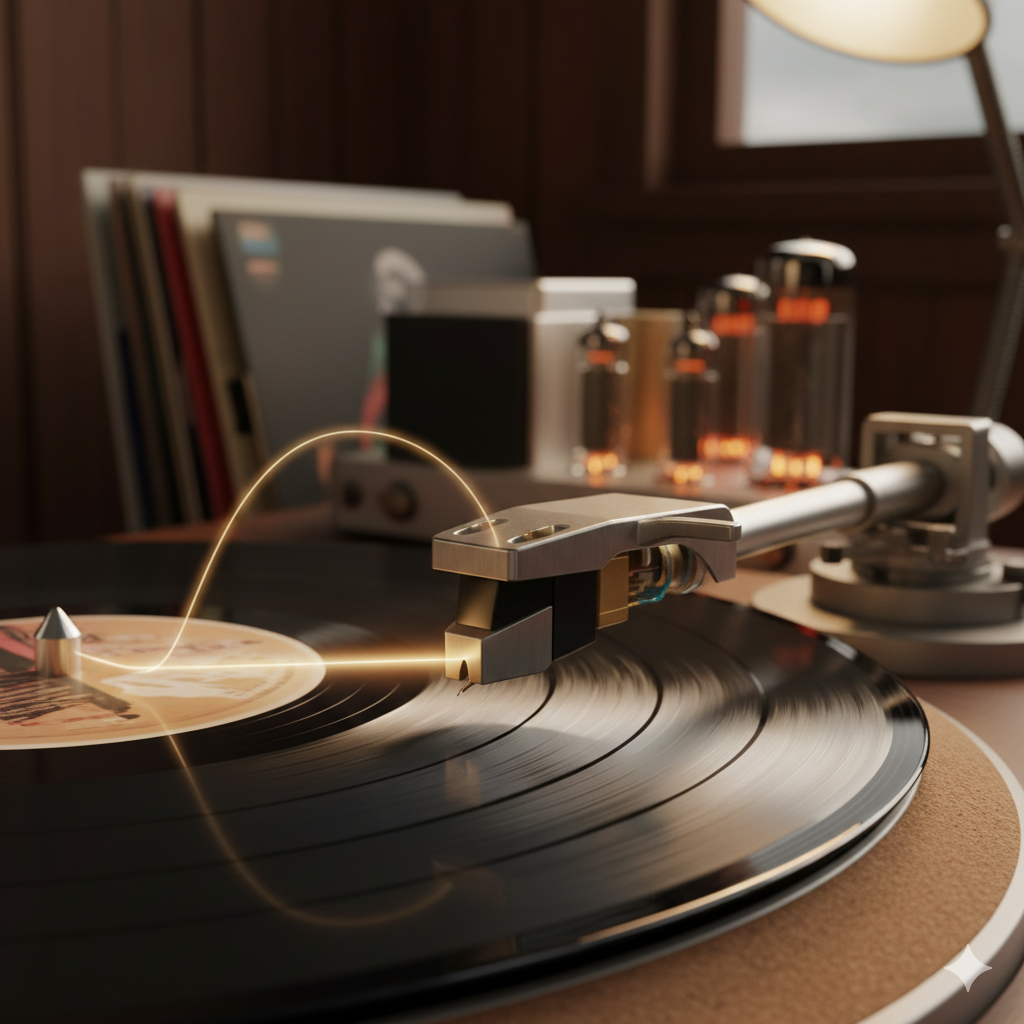
Your stylus (needle) is one of the smallest—and most critical—parts of your turntable setup. Even a tiny amount of dust or residue on the stylus can affect sound quality, tracking, and record wear. Unsurprisingly, many vinyl listeners ask:
How do I clean a stylus properly without damaging it?
This guide explains safe, proven methods, how often to clean, and what to avoid.
Why Stylus Cleaning Is So Important
As the stylus tracks record grooves, it collects:
- Dust and airborne particles
- Residue from dirty records
- Static-attracted debris
A dirty stylus can cause:
- Distortion and sibilance
- Mistracking or skipping
- Excessive record wear
- Shortened stylus lifespan
Keeping it clean protects both your records and your cartridge investment.
How Often Should You Clean Your Stylus?
- Light cleaning: every listening session or every few records
- Deeper cleaning: when visible buildup appears or sound degrades
🎧 If your records are clean, stylus cleaning becomes quick and easy.
The Safest Ways to Clean a Stylus
1. Stylus Brush (Most Common & Recommended)
A stylus brush is designed specifically for delicate cantilevers and tips.
How to use it safely:
- Turn off the turntable
- Secure the tonearm
- Gently brush from back to front only (same direction the record spins)
- Use light pressure—let the brush do the work
Never brush side-to-side or front-to-back.
2. Stylus Cleaning Gel or Pad
Stylus gels use a soft, tacky surface to lift debris.
How to use:
- Lower the stylus straight down into the gel
- Lift it back up vertically
- Repeat once or twice if needed
Pros:
- No brushing force
- Excellent for fine dust
Cons:
- Should be kept clean and covered
3. Liquid Stylus Cleaner (Use With Care)
Liquid cleaners can dissolve stubborn residue—but must be used cautiously.
Safe usage tips:
- Use only products designed for styli
- Apply liquid to the brush, not directly to the stylus
- Use sparingly and infrequently
⚠️ Excess liquid can weaken the cantilever suspension or damage cartridge adhesives.
What NOT to Use on a Stylus
Avoid these common mistakes:
- ❌ Fingers or cotton swabs
- ❌ Household alcohol or solvents
- ❌ Excessive pressure
- ❌ Compressed air
- ❌ Sideways brushing motions
These can easily bend the cantilever or snap the stylus.
Can a Dirty Stylus Damage Records?
Yes. A contaminated stylus acts like sandpaper inside the groove, leading to:
- Permanent groove wear
- Increased surface noise
- Reduced high-frequency detail
Stylus cleaning is just as important as record cleaning.
Best Practice Stylus Cleaning Routine
- Dry brush the stylus lightly after every session
- Use a gel pad weekly or as needed
- Use liquid cleaner only for stubborn buildup
- Store records clean to reduce stylus contamination
This routine takes less than a minute—and makes a big difference.
Final Thoughts
So—how do you clean a stylus properly?
- Be gentle
- Use the right tools
- Clean regularly, not aggressively
A clean stylus delivers better sound, protects your records, and ensures your turntable performs at its best for years to come.