
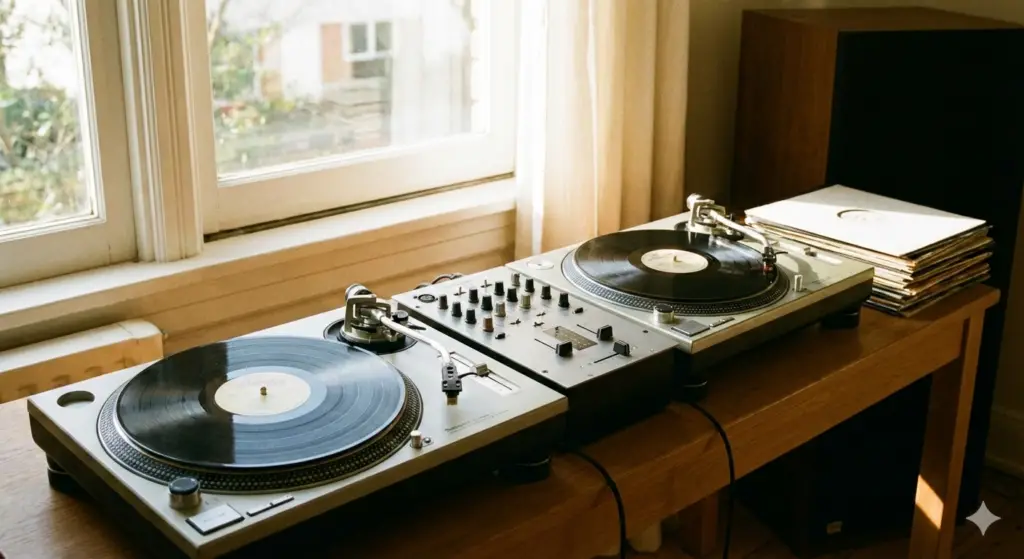
A turntable stylus may be tiny, but it plays a massive role in sound quality and record preservation. One of the most important—and often misunderstood—questions in vinyl care is:
How often should you replace a turntable stylus?
Replacing it at the right time protects your records, maintains sound quality, and prevents costly damage. Here’s how to know when it’s time.
Why Stylus Replacement Matters
As the stylus tracks record grooves, friction slowly wears down the diamond tip. A worn stylus can:
- Distort sound and reduce detail
- Increase sibilance and mistracking
- Permanently damage record grooves
- Accelerate cartridge and cantilever wear
Unlike records, a damaged stylus cannot be “cleaned back to life.” Replacement is essential.
Average Stylus Lifespan (General Guidelines)
Stylus life depends heavily on tip shape, tracking force, and maintenance. These are typical estimates:
| Stylus Type | Estimated Lifespan |
|---|---|
| Conical (Spherical) | 300–500 hours |
| Elliptical | 500–800 hours |
| Microline / Shibata / Fine Line | 800–1,000+ hours |
🎧 Higher-end stylus profiles distribute wear more evenly, extending lifespan.
Factors That Affect Stylus Longevity
1. Record Cleanliness
Dirty records dramatically shorten stylus life by acting like abrasive sandpaper.
2. Tracking Force
Too much force accelerates wear; too little can cause mistracking and groove damage.
3. Stylus Cleaning Habits
Regular, gentle cleaning extends stylus life and improves tracking accuracy.
4. Listening Volume & Style
Heavily modulated records and loud playback increase stylus stress.
Signs It’s Time to Replace Your Stylus
Even if you don’t track hours precisely, these warning signs are reliable indicators:
- Increased surface noise or distortion
- Harsh or sibilant vocals
- Loss of high-frequency detail
- Skipping or mistracking on clean records
- Audible differences compared to earlier playback
⚠️ If you hear these signs, stop playing valuable records until the stylus is replaced.
Should You Track Stylus Hours?
Yes—if possible. Many listeners:
- Use smartphone apps or spreadsheets
- Estimate by average listening habits
- Reset counters when installing a new stylus
Tracking hours removes guesswork and prevents accidental overuse.
What Happens If You Wait Too Long?
A severely worn stylus doesn’t just sound bad—it can:
- Permanently scar record grooves
- Reduce resale value of vinyl
- Cause irreversible damage in a single play
Replacing a stylus is far cheaper than replacing rare or irreplaceable records.
Cartridge vs Stylus: What Needs Replacing?
- Moving Magnet (MM) cartridges: stylus is usually user-replaceable
- Moving Coil (MC) cartridges: stylus replacement typically requires professional retipping
Knowing your cartridge type helps plan maintenance and costs.
Best Practice Replacement Strategy
- Keep records clean
- Clean the stylus regularly
- Track listening hours
- Replace slightly before the maximum lifespan
Preventive replacement ensures consistent sound quality and record safety.
Final Verdict
So—how often should you replace a turntable stylus?
- Every 300–1,000 hours, depending on stylus type
- Immediately if audible wear signs appear
- Sooner if records or stylus maintenance are neglected
A fresh stylus doesn’t just restore sound—it protects your entire vinyl collection.