
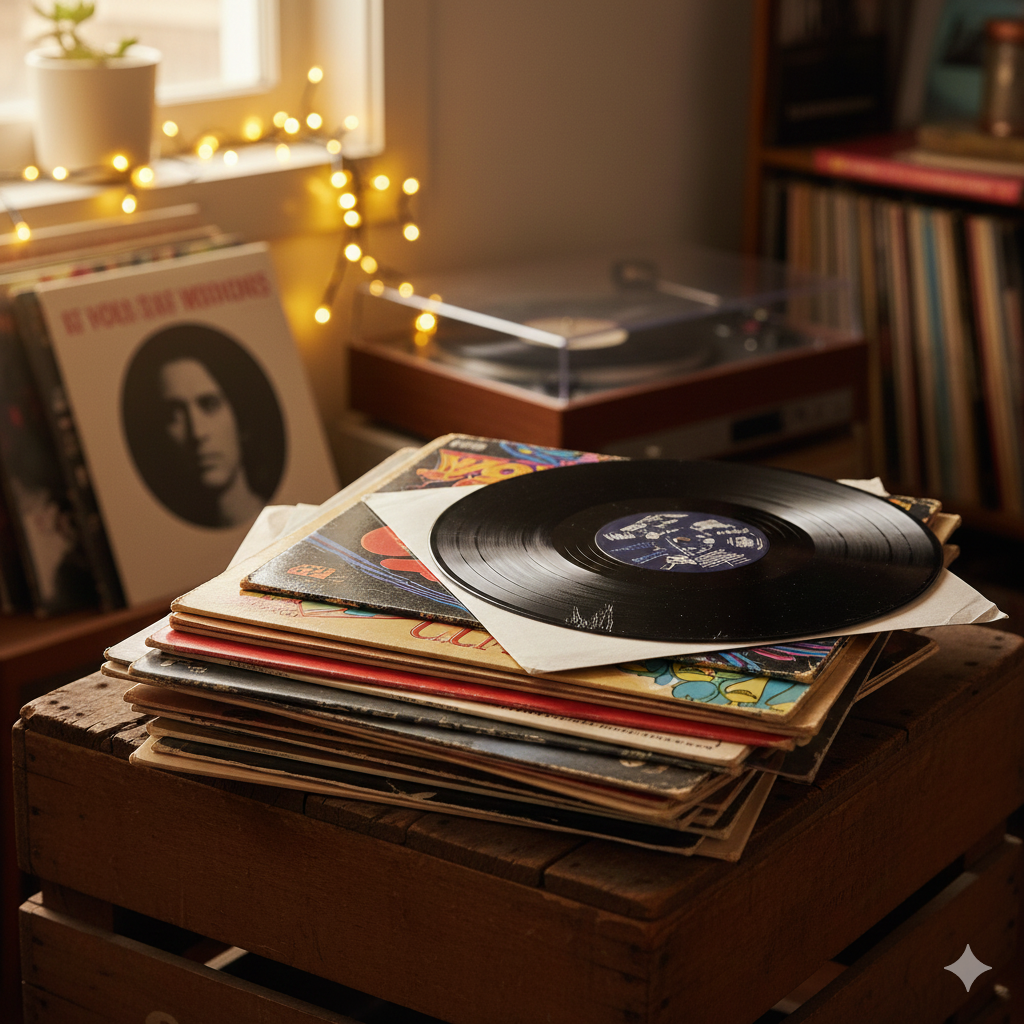
Many records aren’t destroyed by age, but by everyday mistakes: poor handling, bad storage, and improper playback. Understanding what actually damages vinyl is the key to preserving both sound quality and value.
Let’s break down the real vinyl killers—and how to avoid them.
1. Dirt, Dust, and Debris
Dust may look harmless, but it’s one of vinyl’s worst enemies.
- Dust acts like sandpaper inside the grooves
- It increases surface noise and crackle
- It accelerates stylus and groove wear
Prevention:
Use an anti-static brush before every play and wet-clean records periodically.
2. Worn or Damaged Stylus
A bad stylus can permanently destroy a record in a single play.
- Worn tips lose their proper shape
- Chipped styli scrape instead of trace grooves
- Damage caused is irreversible
Prevention:
Replace your stylus at recommended intervals and inspect it regularly.
3. Incorrect Tracking Force
Tracking force that’s too high or too low is equally damaging.
- Too heavy: excessive groove wear
- Too light: stylus mistracking and groove impact
Prevention:
Set tracking force using a scale and follow cartridge manufacturer specifications.
4. Poor Cartridge Alignment
Misaligned cartridges cause uneven pressure on the groove walls.
- Leads to channel imbalance
- Accelerates groove deformation
- Can permanently damage records
Prevention:
Use a proper alignment protractor and double-check alignment after cartridge changes.
5. Heat and Sunlight
Vinyl is extremely sensitive to heat.
- Warps at relatively low temperatures
- Sunlight can soften records unevenly
- Heat damage is often permanent
Prevention:
Store records in a cool, shaded environment—never in cars or near windows.
6. Improper Storage
Bad storage slowly destroys records over time.
- Stacking records horizontally causes warping
- Tight packing can bend sleeves and edges
- Leaning at sharp angles deforms discs
Prevention:
Store records vertically with proper support and room to breathe.
7. Cheap or Poorly Designed Turntables
Low-quality turntables often cause more harm than good.
- Heavy tracking forces
- Poor tonearm design
- Lack of proper anti-skate
Prevention:
Avoid suitcase and toy-style turntables for valuable records.
8. Static Electricity
Static attracts dust and causes playback issues.
- Increases surface noise
- Pulls debris into grooves
- Can cause stylus mistracking
Prevention:
Use anti-static sleeves and maintain proper room humidity.
9. Improper Cleaning Methods
Not all cleaning is good cleaning.
- Paper towels can scratch vinyl
- Household cleaners can damage grooves
- Tap water leaves mineral residue
Prevention:
Use record-safe cleaning solutions and microfiber tools.
10. Excessive or Careless Handling
Your hands can damage records more than you think.
- Oils from skin attract dust
- Fingerprints increase noise
- Dropping or bending causes instant damage
Prevention:
Handle records only by the edges and labeled area.
What Doesn’t Destroy Vinyl (Common Myths)
- Playing records often (with proper equipment)
- Modern lightweight tonearms
- Correctly set tracking force
Vinyl is meant to be played—just played correctly.
Final Takeaway
Vinyl records aren’t fragile—but they are unforgiving.
Most damage comes from:
- Poor playback setup
- Dirty equipment
- Heat and bad storage
Treat your records well, and they can sound incredible for generations 🎶