
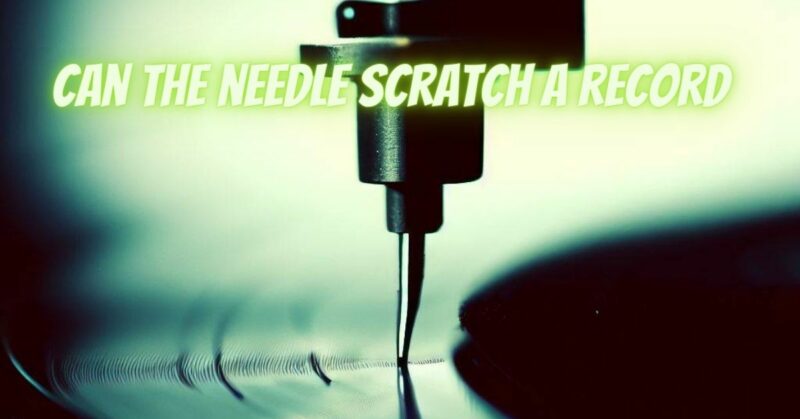
The turntable needle, also known as the stylus, is a crucial component of a vinyl playback system. As the needle traverses the grooves of a record, there is a common concern among vinyl enthusiasts regarding the potential for the needle to scratch or damage the delicate surface of their cherished records. In this article, we will address this concern and provide insights into the risks associated with turntable needles and practical tips to prevent scratching and protect your vinyl collection.
Understanding the Design and Function of the Turntable Needle:
Turntable needles are specifically engineered with materials and design elements that minimize the risk of scratching records. The stylus tip is typically made from a hard material, such as diamond or sapphire, known for its durability and ability to maintain sharpness over extended periods. The shape and profile of the stylus are designed to fit precisely within the record grooves and track the audio information accurately.
Risks of Scratching:
While turntable needles are designed to minimize scratching, certain factors can increase the risk of damage to records:
- Poorly Adjusted Tonearm: An improperly adjusted tonearm can cause the needle to apply excessive pressure or tracking force on the record, leading to potential scratching. It is crucial to follow the manufacturer’s instructions for tonearm adjustment, including setting the correct tracking force and anti-skate settings.
- Dust and Debris: Dust particles and debris on the record surface can get trapped between the stylus and the grooves, increasing the likelihood of scratches. Regular cleaning of both records and the stylus can help minimize the presence of dust and debris.
- Damaged or Worn Stylus: A damaged or worn stylus with a chipped or bent tip can pose a higher risk of scratching records. Regular inspection and replacement of the stylus when necessary are essential to ensure optimal playback performance.
Prevention and Best Practices:
To minimize the risk of scratching your records, consider the following preventive measures:
- Cleanliness: Keep both your records and stylus clean. Use anti-static record brushes and record cleaning solutions to remove dust and debris from records before playing them. Regularly clean the stylus using a stylus brush or specialized cleaning solution to prevent build-up.
- Proper Handling: Always handle records by their edges and avoid touching the playing surface. Touching the surface with oily or dirty fingers can transfer contaminants that may affect playback and increase the risk of scratching.
- Correct Turntable Setup: Ensure your turntable is set up correctly and properly calibrated. Follow the manufacturer’s instructions for tonearm adjustment, including tracking force, anti-skate settings, and tonearm height. A well-balanced and properly aligned tonearm reduces the risk of excessive pressure and potential scratching.
- Gentle Lowering and Lifting: When lowering and lifting the tonearm onto and off the record, do so gently and avoid abrupt movements. Sudden drops or rough handling can lead to accidental scratching.
- Quality Control: Purchase high-quality, reputable turntable needles and cartridges from trusted brands. Cheaper or generic alternatives may not have the same level of precision and quality, increasing the risk of potential damage to your records.
Conclusion:
While there is always a risk of scratching records when using a turntable needle, following proper setup, maintenance, and handling practices can significantly minimize this risk. Understanding the design and function of turntable needles, along with adopting preventive measures such as cleanliness, proper handling, and correct turntable setup, will help ensure a safe and enjoyable vinyl listening experience while protecting the longevity and quality of your precious record collection.