
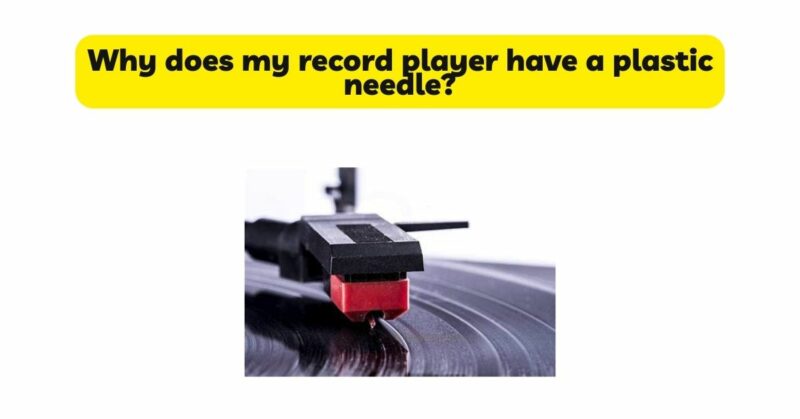
Vinyl record players have made a resurgence in recent years, captivating music enthusiasts with their warm sound and nostalgic appeal. However, some record players may come equipped with a plastic needle, which may raise questions about its performance and durability compared to traditional metal or diamond needles. In this article, we delve into the world of plastic needles, uncovering the reasons behind their usage and exploring their functionality and benefits. By understanding the science behind these unique components, we can appreciate their role in delivering quality sound and extending the lifespan of both the needle and the vinyl records.
I. The Purpose of the Needle
Before delving into the intricacies of plastic needles, it’s crucial to understand their primary function in a record player. The needle, also known as a stylus, serves as the interface between the grooves on the vinyl record and the audio system. As the record spins, the needle reads the physical vibrations embedded in the grooves, translating them into electrical signals. These signals are then amplified and converted into audible sound. The primary goal of the needle is to accurately trace the contours of the grooves, capturing the nuances of the recorded music and delivering a faithful reproduction of the original audio.
II. Plastic Needles: The Science behind their Design
Plastic needles are a modern development in record player technology, offering certain advantages over traditional metal or diamond needles. Here are some key aspects to consider:
- Material Composition: Plastic needles are typically constructed from a high-quality polymer material, such as polyoxymethylene (POM) or polyethylene terephthalate (PET). These materials possess specific properties that make them suitable for the demands of a record player.
- Reduced Record Wear: Plastic needles are designed to be gentler on vinyl records compared to metal or diamond needles. The material composition and geometry of plastic needles minimize groove damage, reducing the potential for record wear and extending the lifespan of vinyl records.
- Surface Contact and Tracking: The shape and design of plastic needles are carefully engineered to ensure optimal surface contact with the grooves. The tracking force, or the downward pressure exerted by the needle on the record, is also carefully calibrated to minimize distortion and maximize fidelity. Plastic needles are designed to strike a balance between precise tracking and minimal record wear.
- Resonance Damping: Vinyl records can produce resonances and vibrations during playback, which can negatively impact sound quality. Plastic needles have inherent damping properties that help absorb these resonances, reducing the likelihood of audible distortions and providing a cleaner audio output.
III. Advantages of Plastic Needles
Plastic needles offer several advantages that make them a viable choice for record player enthusiasts. Here are some notable benefits:
- Cost-Effectiveness: Plastic needles are often more affordable compared to their metal or diamond counterparts. This accessibility makes them an attractive option for entry-level record players or individuals on a budget.
- Low Record Wear: The gentle nature of plastic needles minimizes the wear and tear on vinyl records. By reducing groove damage, plastic needles help preserve the quality and longevity of cherished vinyl collections.
- Compatibility: Plastic needles are generally compatible with a wide range of record players, making them readily available for different models and brands. This versatility ensures that users can find a suitable replacement needle when needed.
- Ease of Replacement: Plastic needles are typically designed for easy installation and replacement. Users can replace the needle themselves without requiring specialized tools or professional assistance, providing convenience and saving on maintenance costs.
IV. Limitations and Considerations
While plastic needles offer numerous advantages, it’s essential to consider their limitations and factors to keep in mind:
- Sound Quality: While plastic needles can deliver impressive sound fidelity, some audiophiles argue that metal or diamond needles provide a slightly superior listening experience. However, advancements in plastic needle technology have significantly narrowed the gap, making them a viable option for most listeners.
- Lifespan: Plastic needles, although durable, may have a shorter lifespan compared to metal or diamond needles. Factors such as the frequency of use, quality of vinyl records, and maintenance practices can influence the longevity of a plastic needle. Regular cleaning and proper handling can help extend its lifespan.
- Upgradability: Some record player enthusiasts may wish to upgrade to a higher-end needle for improved performance. In such cases, plastic needles may not offer the same level of customization as metal or diamond options. However, many record players can accommodate interchangeable cartridges, allowing for future upgrades if desired.
- Compatibility with Audiophile Systems: While plastic needles are suitable for most record players and casual listening setups, those with high-end audiophile systems may prefer metal or diamond needles to maximize their system’s potential. However, advancements in plastic needle technology continue to bridge the gap between sound quality and affordability.
Conclusion
Plastic needles on record players have revolutionized the industry by offering affordable, durable, and gentle alternatives to traditional metal or diamond needles. Their unique design, material composition, and inherent benefits make them an appealing choice for a wide range of record player enthusiasts. Plastic needles provide a balance between sound quality, record preservation, and cost-effectiveness, making them an excellent option for entry-level users and those seeking a hassle-free listening experience. While they may have some limitations, advancements in plastic needle technology continue to refine their performance, narrowing the gap between different needle types. Ultimately, whether you opt for a plastic, metal, or diamond needle, the joy of vinyl record playback remains a personal experience that brings the magic of music to life, preserving the charm and authenticity of analog sound.