
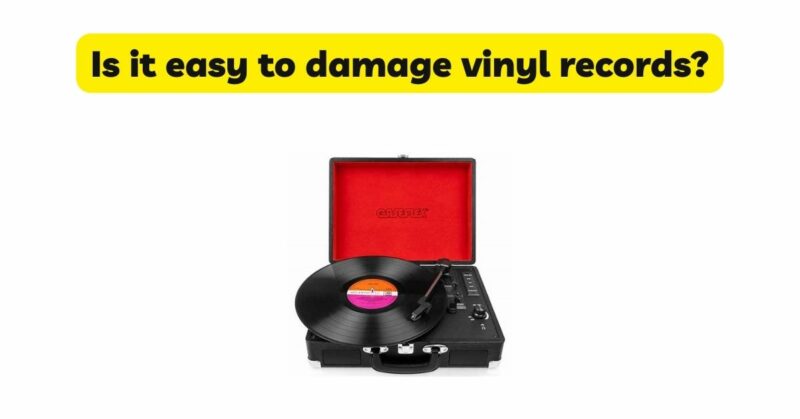
Vinyl records have long been cherished for their warm sound and nostalgic appeal. However, there is a common misconception that vinyl records are easily damaged, leading some to hesitate in exploring this unique medium. In this article, we will delve into the truth about the durability of vinyl records, dispelling the notion that they are fragile and prone to damage. By understanding the factors that can affect record longevity and adopting proper handling and maintenance practices, you can confidently enjoy your vinyl collection without fear of causing irreparable harm.
Vinyl Composition: Vinyl records are crafted from a robust material known as polyvinyl chloride (PVC), specifically engineered to withstand the rigors of repeated playback. PVC provides a durable and flexible surface that can withstand the stylus tracking through the grooves without sustaining immediate damage. This material resilience contributes to the longevity of vinyl records, making them more resistant to everyday wear and tear.
Physical Handling: Proper handling is key to preventing damage to vinyl records. While vinyl should be treated with care, it is not as delicate as some believe. By handling records by their edges and avoiding contact with the playing surface, the risk of scratches and smudges can be minimized. Additionally, using a clean and dry stylus, gently lowering the tonearm, and ensuring the turntable is properly calibrated can further reduce the potential for damage.
Scratching and Wear: One of the main concerns regarding vinyl records is scratching. While it is possible to scratch a record, it is not an inherent flaw of the medium itself. Scratches most commonly occur due to mishandling, using a damaged or improperly aligned stylus, or contact with foreign objects. By employing proper turntable setup, using high-quality cartridges and styli, and being cautious during handling and storage, the risk of scratching can be significantly reduced.
Dust and Dirt: Dust and dirt particles can affect both the sound quality and longevity of vinyl records. However, with regular cleaning, this issue can be effectively managed. Using anti-static brushes, record cleaning solutions, and microfiber cloths, you can remove dust and dirt particles that could otherwise cause wear on the stylus and affect playback quality. Implementing a cleaning routine and storing records in protective sleeves can help preserve their condition and maintain sound fidelity.
Environmental Factors: Environmental conditions can impact the lifespan of vinyl records. Exposure to extreme temperatures, high humidity, or direct sunlight can lead to warping, mold growth, or degradation of the record sleeves. To mitigate these risks, it is advisable to store records in a controlled environment, away from direct sunlight and heat sources. Investing in proper storage solutions, such as inner poly-lined sleeves and outer protective jackets, can provide additional safeguards against environmental factors.
Storage and Maintenance: Proper storage and maintenance practices play a crucial role in preserving vinyl records. Storing records upright in a dust-free environment, away from excessive moisture or heat, can help maintain their structural integrity. Avoiding overcrowding and stacking records horizontally can prevent warping and potential damage. Regular cleaning of both the records and the equipment, including the stylus and turntable, ensures optimal performance and longevity.
Conclusion: Vinyl records are not as fragile or prone to damage as commonly believed. With proper handling, maintenance, and storage practices, vinyl records can withstand the test of time and provide countless hours of enjoyment. While precautions should be taken to prevent scratching, dust accumulation, and exposure to extreme environmental conditions, vinyl records are designed to be resilient and durable. By treating them with care and implementing good practices, you can confidently build and preserve your vinyl collection, indulging in the rich sound and enduring charm of this beloved medium.