
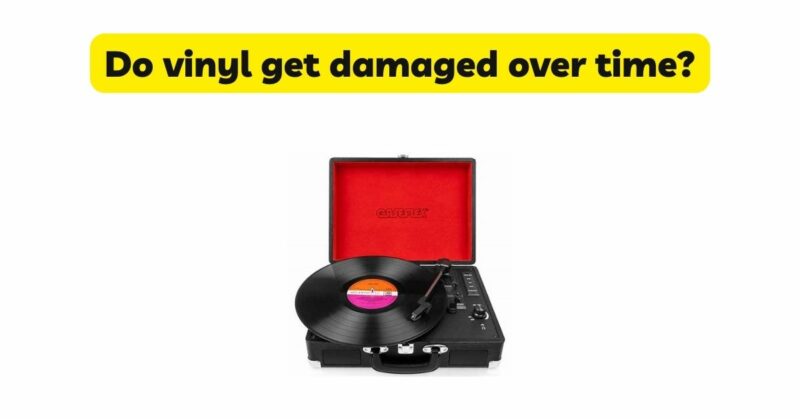
Vinyl records have stood the test of time as a beloved audio format, known for their warm sound and nostalgic appeal. However, many collectors and enthusiasts wonder about the long-term durability of vinyl and whether they are prone to damage over time. In this article, we will explore the effects of aging on vinyl records, understanding how they may change over the years and the factors that can contribute to potential damage. By gaining insight into these aspects, we can better care for our vinyl collections and ensure their longevity.
Vinyl Composition and Aging: Vinyl records are made from polyvinyl chloride (PVC), a durable material that can withstand the rigors of playback. However, over time, certain changes may occur. Vinyl can become more brittle as it ages, making it more susceptible to cracking or warping. This aging process is gradual and can be influenced by various factors such as environmental conditions, storage practices, and handling.
Environmental Factors: Environmental conditions play a significant role in the aging process of vinyl records. Exposure to extreme temperatures, high humidity, and direct sunlight can accelerate the deterioration of vinyl. Heat can cause warping, while moisture can lead to mold growth or damage the record sleeves. It is essential to store vinyl records in a controlled environment, away from these damaging elements, to minimize the risk of deterioration.
Storage and Handling: Proper storage and handling are crucial in preserving the condition of vinyl records over time. Records should be stored upright in a dust-free and stable environment, away from direct sunlight and heat sources. Stacking records horizontally or overcrowding them can lead to warping and damage. When handling records, it is important to hold them by the edges and avoid touching the playing surface to prevent fingerprints and scratches.
Dust and Dirt Accumulation: Dust and dirt particles are common adversaries of vinyl records. Over time, they can accumulate on the record’s surface and affect playback quality. When a stylus comes into contact with a dirty record, it can cause distortion, pops, and clicks. Regular cleaning of records using appropriate cleaning solutions, anti-static brushes, and microfiber cloths can help remove dust and maintain the record’s sound quality.
Wear and Tear: The repeated playing of vinyl records can result in wear and tear over time. The stylus, also known as the needle, gradually wears down the grooves as it tracks through the record. This wear can lead to a loss of high-frequency information and a decrease in overall sound quality. However, the extent of wear depends on various factors, including the quality of the stylus, tracking force, and the care taken during playback. Regularly replacing the stylus and ensuring proper turntable setup can help minimize wear.
Chemical Reactions and Mold Growth: Vinyl records can also be susceptible to chemical reactions and mold growth. Exposure to certain cleaning agents or improper storage conditions can cause chemical reactions that lead to discoloration or surface damage. Additionally, high humidity levels can create an environment conducive to mold growth, which can irreversibly damage the record. Proper cleaning and storage practices, along with monitoring environmental conditions, are essential in preventing these issues.
Conclusion: While vinyl records are not immune to the effects of time and certain factors, they can remain in excellent condition with proper care and maintenance. By understanding the potential challenges of aging, such as brittleness, environmental factors, dust accumulation, wear, and chemical reactions, collectors can take necessary precautions to preserve their vinyl collections. Regular cleaning, proper storage, and careful handling are essential in maintaining the longevity and sound quality of vinyl records. With the right approach, vinyl records can continue to provide enjoyment for generations to come.