
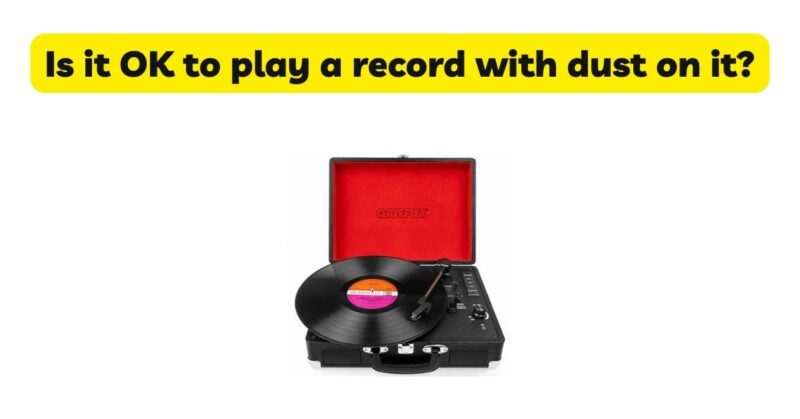
Vinyl records have experienced a resurgence in popularity, captivating audiophiles and music enthusiasts with their warm sound and unique charm. However, proper care and maintenance are crucial to ensure optimal playback quality and preserve the longevity of these beloved records. One common concern among collectors and listeners is whether it is acceptable to play a record with dust on it. In this article, we will delve into the effects and consequences of playing dusty records, shedding light on the potential risks and offering insights into best practices for record cleaning and maintenance.
Understanding Dust on Vinyl Records: Dust is a common enemy of vinyl records. It consists of tiny particles that settle on the record’s surface, often attracting additional debris over time. Dust can affect the playback quality and cause unwanted noise, pops, and clicks. While some may argue that playing a slightly dusty record is acceptable, it is important to recognize the potential consequences and the impact it can have on the overall listening experience.
Surface Damage: Dust particles on a record’s surface can act as abrasive agents, causing micro-scratches as the stylus tracks through the grooves. These scratches can accumulate over time and impact the sound quality, resulting in distortion and loss of detail. Additionally, dust particles can embed themselves in the grooves, making it difficult for the stylus to track accurately. This can lead to skipping or jumping, compromising the enjoyment of the music.
Stylus Wear and Damage: When a stylus encounters dust on the record, it can pick up and carry those particles along the grooves. This can cause additional friction between the stylus and the record, leading to accelerated wear on the stylus tip. Dust particles can also accumulate on the stylus itself, dulling its performance and reducing its lifespan. Continuous playback on a dusty record can result in premature stylus wear and may necessitate more frequent stylus replacements.
Sound Quality and Fidelity: Dust on a vinyl record can negatively impact the sound quality and fidelity of the music. As the stylus encounters dust particles, it can create pops, clicks, and other unwanted noise during playback. The presence of dust can obscure fine details in the music, resulting in a loss of clarity, dynamics, and overall tonal balance. Clean records provide a smoother and more enjoyable listening experience, allowing the music to be fully appreciated as intended.
Cleaning Solutions and Techniques: To ensure optimal playback and preserve the longevity of vinyl records, regular cleaning is essential. Various cleaning solutions and techniques are available to remove dust and debris from records. Dry brushing with anti-static record brushes or using a carbon fiber brush can effectively remove surface dust. For more thorough cleaning, wet cleaning methods involving specialized record cleaning solutions and record cleaning machines can provide deeper cleaning and restoration of the record’s surface.
Record Maintenance and Storage: Prevention is key when it comes to minimizing dust accumulation on vinyl records. Proper record maintenance and storage practices play a vital role in reducing dust-related issues. Storing records in dust jackets or protective sleeves when not in use can help shield them from dust particles. Additionally, keeping the listening area clean and dust-free, including the turntable and its components, can contribute to a cleaner and more enjoyable listening experience.
Importance of Regular Record Cleaning: Regardless of whether a record appears visually dusty or not, regular record cleaning is recommended. Dust particles may be invisible to the naked eye, and records can accumulate contaminants from various sources. Establishing a routine cleaning regimen helps maintain the overall condition of the records and ensures optimal playback quality. Regular cleaning also helps prevent dust particles from settling and embedding deeper into the grooves over time.
Conclusion: Playing a record with dust on it can have several adverse effects on sound quality, stylus wear, and overall enjoyment of the music. Dust particles can cause surface damage, compromise stylus performance, and result in unwanted noise during playback. To preserve the fidelity and longevity of vinyl records, regular cleaning and maintenance are essential. By adopting proper cleaning techniques, storing records correctly, and establishing a routine cleaning regimen, collectors and enthusiasts can enhance their listening experience and ensure their records remain in pristine condition for years to come.