
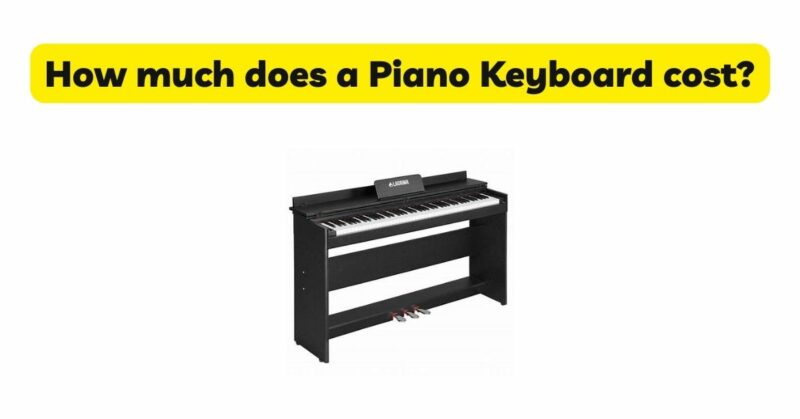
If you’re considering learning the piano or looking to upgrade your instrument, one crucial aspect to consider is the cost of a piano keyboard. Piano keyboards come in a wide range of prices, and understanding the factors that influence their cost can help you make an informed decision. In this article, we will delve into the various factors that determine the price of a piano keyboard, allowing you to find a suitable instrument within your budget and meet your musical needs.
- Types of Piano Keyboards: The cost of a piano keyboard can vary significantly based on its type. There are several types to consider:
a) Acoustic Pianos: Acoustic pianos are traditional, full-size pianos with strings and hammers. They offer the most authentic playing experience but tend to be more expensive due to their complex construction and craftsmanship. Grand pianos are larger and more expensive than upright pianos.
b) Digital Pianos: Digital pianos are electronic instruments that replicate the sound and feel of an acoustic piano. They are more affordable than acoustic pianos and offer additional features such as built-in speakers, headphone outputs, and a variety of instrument sounds.
c) Keyboard Controllers: Keyboard controllers are MIDI controllers that lack built-in sounds and speakers. They require a computer or external sound module to produce sound. Keyboard controllers tend to be the most affordable option.
- Quality and Brand: The quality of the piano keyboard and its brand can greatly influence its cost. Established and reputable brands often command higher prices due to their track record of producing reliable and high-quality instruments. These brands invest in research, development, and craftsmanship, resulting in superior sound and durability. However, there are also budget-friendly options from lesser-known brands that offer decent quality at a lower price point.
- Key Action: The key action refers to the mechanism that allows the keys to be pressed and released. Higher-quality piano keyboards often feature more advanced key action technology, replicating the feel and response of an acoustic piano more accurately. The key action can greatly impact the price of a keyboard, with more realistic and sophisticated mechanisms commanding higher costs.
- Number of Keys: The number of keys on a piano keyboard can also affect its price. A standard piano keyboard has 88 keys, replicating the range of a traditional acoustic piano. However, some keyboards, especially portable or entry-level models, may have fewer keys, such as 61 or 76 keys. Keyboards with a full 88-key range tend to be more expensive.
- Built-in Features and Technology: The presence of additional features and technology can influence the cost of a piano keyboard. Higher-end keyboards may offer advanced features such as weighted keys, touch-sensitive keys, built-in effects, recording capabilities, connectivity options, and a wide range of instrument sounds. These additional features contribute to the overall price of the instrument.
- Portability and Design: The design and portability of a piano keyboard can also impact its cost. Portable keyboards, which are lightweight and designed for easy transportation, are generally more affordable. On the other hand, larger and more aesthetically pleasing keyboards, such as furniture-style digital pianos, can be pricier due to their design and construction materials.
- New or Used: Deciding between purchasing a new or used piano keyboard can significantly affect the cost. New keyboards typically come with warranties and the assurance of quality, but they are generally more expensive. Used keyboards, on the other hand, can be more budget-friendly, but buyers should carefully inspect the instrument’s condition and functionality before making a purchase.
- Accessories and Extras: Consider the additional accessories and extras that may be required for a piano keyboard. This includes items such as a piano bench, sustain pedal, headphones, instrument stands, and carrying cases. These accessories may need to be factored into the overall cost of the keyboard.
Conclusion: The cost of a piano keyboard can vary based on numerous factors, including the type of keyboard (acoustic, digital, or keyboard controller), quality and brand, key action, number of keys, built-in features and technology, portability and design, new or used condition, and the inclusion of accessories. It’s important to consider your budget, musical goals, and personal preferences when choosing a piano keyboard. Researching and comparing different options, reading reviews, and seeking advice from experienced musicians or piano teachers can help you find a keyboard that strikes a balance between cost and quality, allowing you to embark on your musical journey with confidence and enjoyment.