
When searching for a decent keyboard, understanding the price range can help you make an informed decision that aligns with your budget and musical aspirations. The cost of a keyboard can vary significantly based on factors such as the type of keyboard, brand reputation, features, and build quality. This article aims to provide insights into the price range of a decent keyboard, considering various factors that contribute to its value. By understanding the price range, you can strike a balance between affordability and the features necessary to support your musical growth.
Factors Influencing the Cost of a Decent Keyboard:
- Keyboard Type:
a. Digital Keyboards: Digital keyboards, also known as electronic keyboards, offer a wide range of features and affordability. Entry-level digital keyboards can start from as low as $100 to $200. These keyboards are suitable for beginners or those on a tight budget. Mid-range digital keyboards with better sound quality, touch sensitivity, and additional features can range from $300 to $700. Higher-end digital keyboards, often used by professional musicians and performers, can range from $1,000 to $3,000 or more, depending on the brand and features.
b. Workstations and Synthesizers: Workstations and synthesizers are advanced digital keyboards that provide extensive sound manipulation, recording capabilities, and MIDI functionalities. These keyboards are more expensive due to their professional-grade features and versatility. Workstations and synthesizers can range from $1,000 to $5,000 or more, depending on the brand, quality, and features.
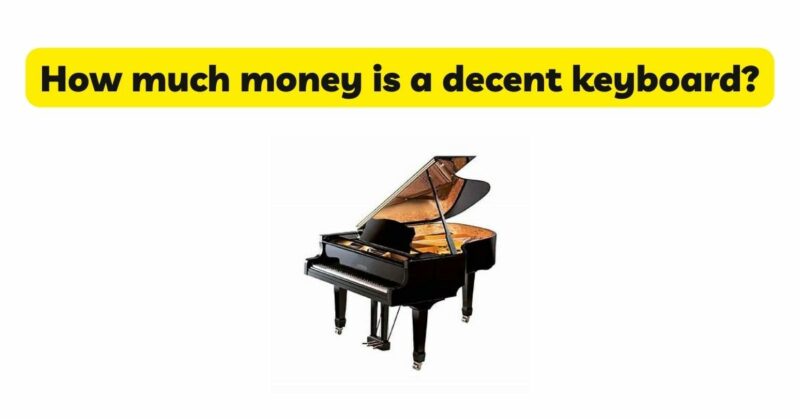
c. Acoustic Pianos: Acoustic pianos, including upright pianos and grand pianos, offer an authentic playing experience but come with a higher price tag due to their craftsmanship and materials. Entry-level upright pianos generally start from $3,000 to $5,000, while higher-end models can range from $5,000 to $10,000 or more. Grand pianos, known for their superior sound and construction, can range from $10,000 to $100,000 or more, depending on the size, brand, and quality.
- Brand Reputation:
Brand reputation plays a significant role in the cost of a decent keyboard. Established and renowned brands such as Yamaha, Roland, Korg, Casio, and Kawai often command higher prices due to their track record of producing reliable, innovative, and high-quality instruments. These brands offer a wide range of keyboards across different price points, ensuring options for various budgets. Lesser-known brands can also provide decent keyboards at more affordable prices, but it’s important to research and consider user reviews and feedback before making a purchase.
- Features and Specifications:
The features and specifications of a keyboard influence its price. Entry-level keyboards generally offer basic features such as different instrument sounds, built-in speakers, and limited touch sensitivity. As you move up the price range, keyboards may include additional features like weighted or semi-weighted keys, touch-sensitive keys, higher polyphony (the number of simultaneous notes the keyboard can produce), advanced sound manipulation options, recording capabilities, connectivity options, and built-in learning tools. The more advanced and extensive the features, the higher the cost of the keyboard.
- Build Quality and Durability:
The build quality and durability of a keyboard impact its cost. Higher-quality keyboards use superior materials, have better craftsmanship, and offer a more reliable playing experience. These keyboards often have more robust construction, better key action, and improved longevity. While entry-level keyboards may be more affordable, they may not withstand heavy use or offer the same level of durability as higher-end models. Investing in a keyboard with better build quality can ensure a more satisfactory playing experience and longevity.
- Accessories and Add-Ons:
Consider additional costs associated with accessories and add-ons when determining the overall budget for a decent keyboard. Accessories like keyboard stands, benches, sustain pedals, headphones, MIDI cables, and carrying cases are essential for comfortable and convenient playing. These items may need to be purchased separately and can contribute to the total cost of owning a keyboard.
Conclusion:
The cost of a decent keyboard depends on several factors, including the type of keyboard, brand reputation, features, build quality, and additional accessories. Entry-level digital keyboards can start from as low as $100, offering basic functionality for beginners or those on a tight budget. Mid-range digital keyboards with better sound quality and additional features generally range from $300 to $700. Higher-end digital keyboards and professional-grade workstations or synthesizers can range from $1,000 to $5,000 or more.
Acoustic pianos, including upright pianos and grand pianos, come with a higher price tag due to their craftsmanship and materials. Entry-level upright pianos generally start from $3,000 to $5,000, while higher-end models can range from $5,000 to $10,000 or more. Grand pianos can range from $10,000 to $100,000 or more, depending on the size, brand, and quality.
Ultimately, the cost of a decent keyboard should align with your budget, musical aspirations, and long-term goals. Consider the features, brand reputation, build quality, and additional accessories when evaluating the overall value of a keyboard. Remember that investing in a reliable and higher-quality keyboard can provide a more satisfactory playing experience and support your musical growth in the long run.