
Embarking on your journey as a beginner pianist is an exciting and rewarding experience. One crucial decision you’ll face is selecting the right piano for your needs. With a wide range of options available, it can be overwhelming to determine which piano is most suitable for beginners. This article aims to provide a comprehensive guide to help you make an informed decision when choosing your first piano. By considering factors such as piano type, budget, space constraints, and personal preferences, you’ll be better equipped to select the perfect piano to support your musical growth.
- Acoustic or Digital: Understanding Your Options
a. Acoustic Pianos: Acoustic pianos offer an authentic playing experience and produce sound through the vibration of strings and resonance within the wooden body. They are available in two main types: upright pianos and grand pianos.
i. Upright Pianos: Upright pianos are the most common choice for beginner pianists due to their affordability, compact size, and suitability for various musical styles. They come in different sizes, ranging from spinet to studio and upright grand pianos. Upright pianos provide a solid foundation for learning proper technique and dynamics.
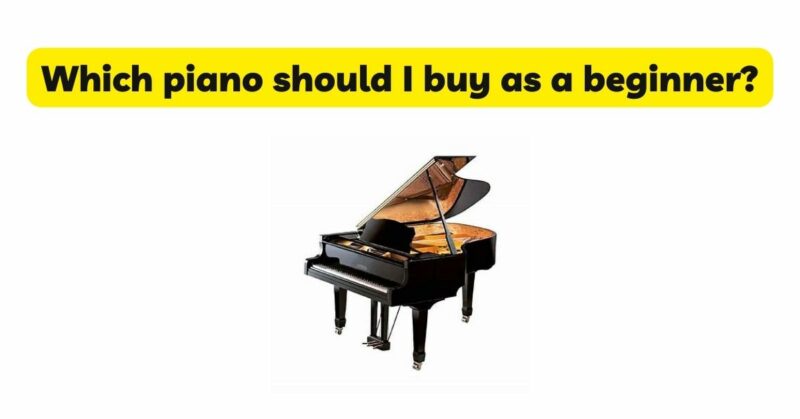
ii. Grand Pianos: Grand pianos offer the highest level of playing experience and are often favored by professional pianists. They come in different sizes, from baby grands to concert grands, and provide a wider dynamic range and tonal complexity. However, they require more space and have a higher price tag.
b. Digital Pianos: Digital pianos are electronic instruments designed to replicate the sound and feel of an acoustic piano. They offer numerous advantages for beginners, including affordability, portability, and technological features such as headphone connectivity, built-in sounds, and recording capabilities. Digital pianos come in various styles, including stage pianos, portable keyboards, and home digital pianos, catering to different needs and budgets.
- Consider Your Budget:
Your budget is an important factor when choosing a beginner piano. Acoustic pianos generally have a higher upfront cost due to their construction and materials. Upright pianos range from a few thousand dollars for entry-level models to tens of thousands for high-end instruments. Grand pianos can reach even higher price points. On the other hand, digital pianos offer a range of prices to suit different budgets, starting from a few hundred dollars for entry-level models and going up to several thousand for advanced digital pianos with premium features.
- Evaluate Your Space:
Assessing the available space in your home or practice area is crucial when selecting a beginner piano.
a. Acoustic Pianos: Upright pianos require less floor space than grand pianos, making them a practical choice for smaller rooms. Measure the dimensions of the area where you plan to place the piano and consider the required clearance around it for comfortable playing and maintenance.
b. Digital Pianos: Digital pianos are generally more compact and suitable for smaller spaces. They offer the advantage of being portable and can be easily moved or stored when not in use. Consider the size and weight of the digital piano to ensure it fits comfortably in your space.
- Touch Sensitivity and Weighted Keys:
Touch sensitivity and weighted keys are crucial features to consider, as they closely mimic the feel of playing an acoustic piano.
a. Acoustic Pianos: All acoustic pianos have weighted keys, providing resistance and a realistic feel while playing. The touch sensitivity varies depending on the piano’s quality and condition. Test the keys to ensure they offer a responsive and dynamic playing experience.
b. Digital Pianos: When selecting a digital piano, look for one with weighted or semi-weighted keys that offer resistance similar to an acoustic piano. Some digital pianos also feature graded hammer action, which replicates the heavier touch of the lower register and the lighter touch of the higher register.
- Sound Quality and Features:
Consider the sound quality and additional features that enhance your playing experience.
a. Acoustic Pianos: The sound quality of an acoustic piano is determined by factors such as the quality of the instrument, craftsmanship, and materials used. Play and listen to the piano to ensure you resonate with its sound and tonal characteristics.
b. Digital Pianos: Digital pianos offer a variety of sounds, including different piano tones and other instrument sounds like strings, organs, and synths. Consider the sound quality, polyphony (the number of notes that can be played simultaneously), and any additional features such as built-in rhythms, recording capabilities, and connectivity options.
- Seek Expert Advice:
Consulting with piano experts, teachers, or experienced pianists can provide valuable insights and guidance when choosing a beginner piano. They can offer recommendations based on your specific needs and preferences, helping you navigate the vast array of options available.
- Consider Second-Hand Options:
If budget is a concern, consider exploring the second-hand market for both acoustic and digital pianos. You may find well-maintained instruments that offer excellent value for money. Ensure you inspect and play the piano before purchasing and consider seeking the advice of a piano technician to assess its condition.
Conclusion:
Choosing the perfect piano as a beginner involves evaluating factors such as piano type, budget, available space, touch sensitivity, sound quality, and additional features. Acoustic pianos offer an authentic playing experience and come in various sizes, including upright and grand pianos. Digital pianos provide affordability, portability, and technological features that enhance the learning process. Consider your budget, available space, and long-term goals as a pianist to make an informed decision.Remember to try out different pianos, both acoustic and digital, to ensure you find one that resonates with you. Seek expert advice and consider the opinions of experienced pianists or teachers. Ultimately, choose a piano that inspires and motivates you to practice, explore, and develop your skills as a pianist. With the right piano, your musical journey as a beginner will be filled with joy, progress, and musical fulfillment.