
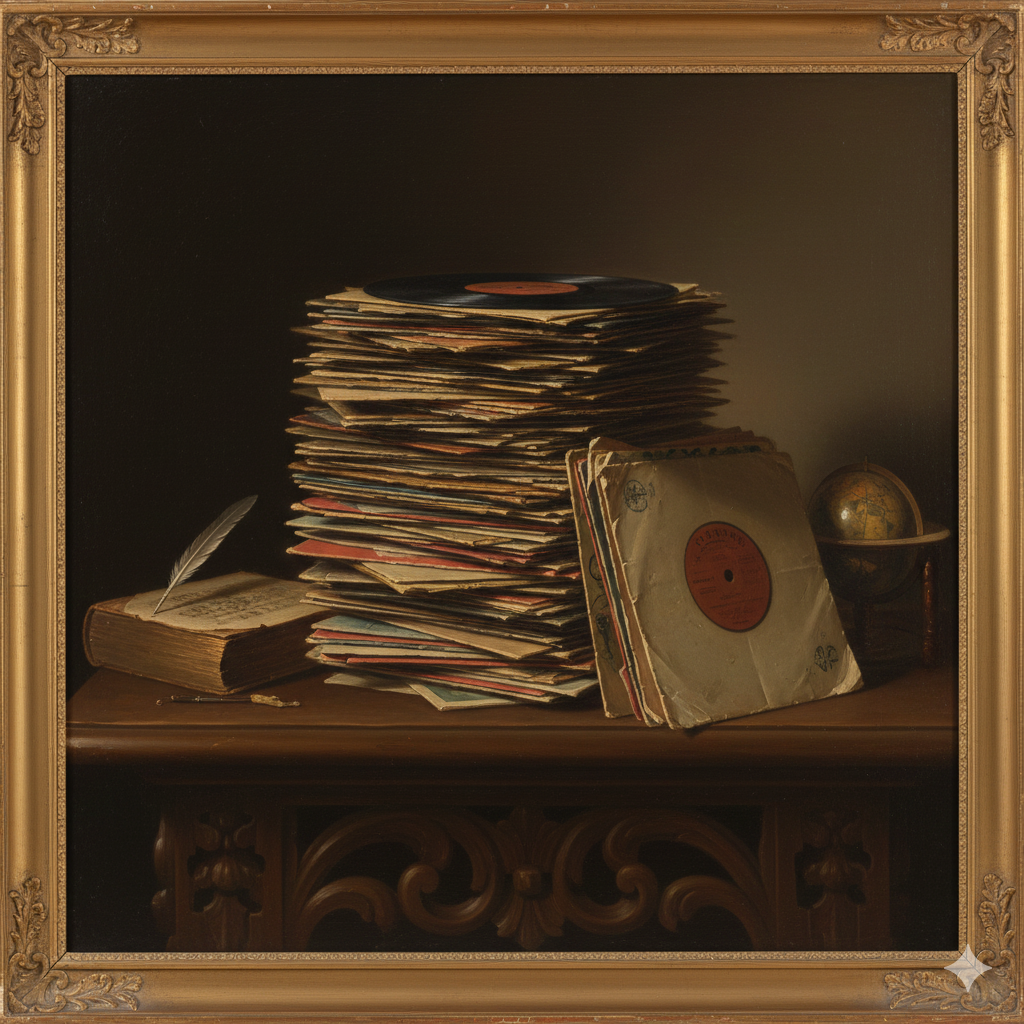
Many new collectors ask whether records should be stacked flat or stored upright. The answer has a huge impact on warping, sleeve damage, and long-term sound quality.
Let’s settle the debate once and for all.
The Short Answer
Vinyl records should be stored upright (vertically), not flat.
This is how records are stored in record stores, archives, and professional collections—and for good reason.
Why Storing Records Flat Is a Bad Idea
1. Warping From Weight
When records are stacked flat:
- The weight of the stack presses down on the bottom records
- Vinyl slowly deforms over time
- Heat makes the problem much worse
Even heavy vinyl isn’t immune.
2. Ring Wear and Sleeve Damage
Flat stacks cause:
- Creases and splits in album jackets
- Circular ring wear on covers
- Permanent cosmetic damage
Once sleeve damage occurs, it can’t be reversed.
3. Difficulty Accessing Records
Frequent lifting and sliding:
- Increases the risk of dropping records
- Causes edge chips and scratches
- Leads to careless handling
Why Upright Storage Is Best
1. Even Weight Distribution
Vertical storage:
- Distributes weight along the edge
- Reduces pressure on any single record
- Minimizes warping over time
This is the safest long-term position.
2. Preserves Sleeves and Jackets
Proper upright storage:
- Keeps covers flat and supported
- Prevents seam splits
- Maintains artwork condition
3. Easier, Safer Handling
When stored upright:
- Records are easy to flip through
- Less bending and sliding occurs
- Handling becomes more controlled
The Correct Way to Store Records Upright
Not all “upright” storage is equal.
Don’t Store Them Too Tightly
- Overpacking causes bending
- Records need a little breathing room
Don’t Let Them Lean
- Severe angles cause warping
- Use bookends or full shelves
Records should stand straight, not tilted.
What About Short-Term Flat Storage?
Flat storage is only acceptable:
- During shipping (with proper padding)
- While cleaning or drying records
- For very short periods (hours, not months)
Flat storage is never recommended for long-term storage.
Does Vinyl Thickness Matter?
Heavy vinyl (180g, 200g):
- Resists warping better
- But can still deform under pressure
Thickness helps—but it’s not a solution to poor storage.
Environmental Factors Matter Too
Even upright records can be damaged by:
- Heat and direct sunlight
- High humidity
- Rapid temperature changes
Ideal conditions:
- Cool, stable temperature
- Moderate humidity
- No direct sunlight
Common Storage Myths
❌ “Flat is safer because gravity is even”
✔ Gravity works against flat stacks over time
❌ “I’ve stored them flat for years with no issues”
✔ Damage can be slow and cumulative
❌ “Thick vinyl doesn’t warp”
✔ All vinyl can warp
Final Verdict
Upright storage is the only correct long-term option for vinyl records.
When done properly, it:
- Prevents warping
- Protects sleeves
- Preserves sound quality
- Maintains resale value
Treat your records like books—not bricks—and they’ll reward you with decades of great sound 🎶