
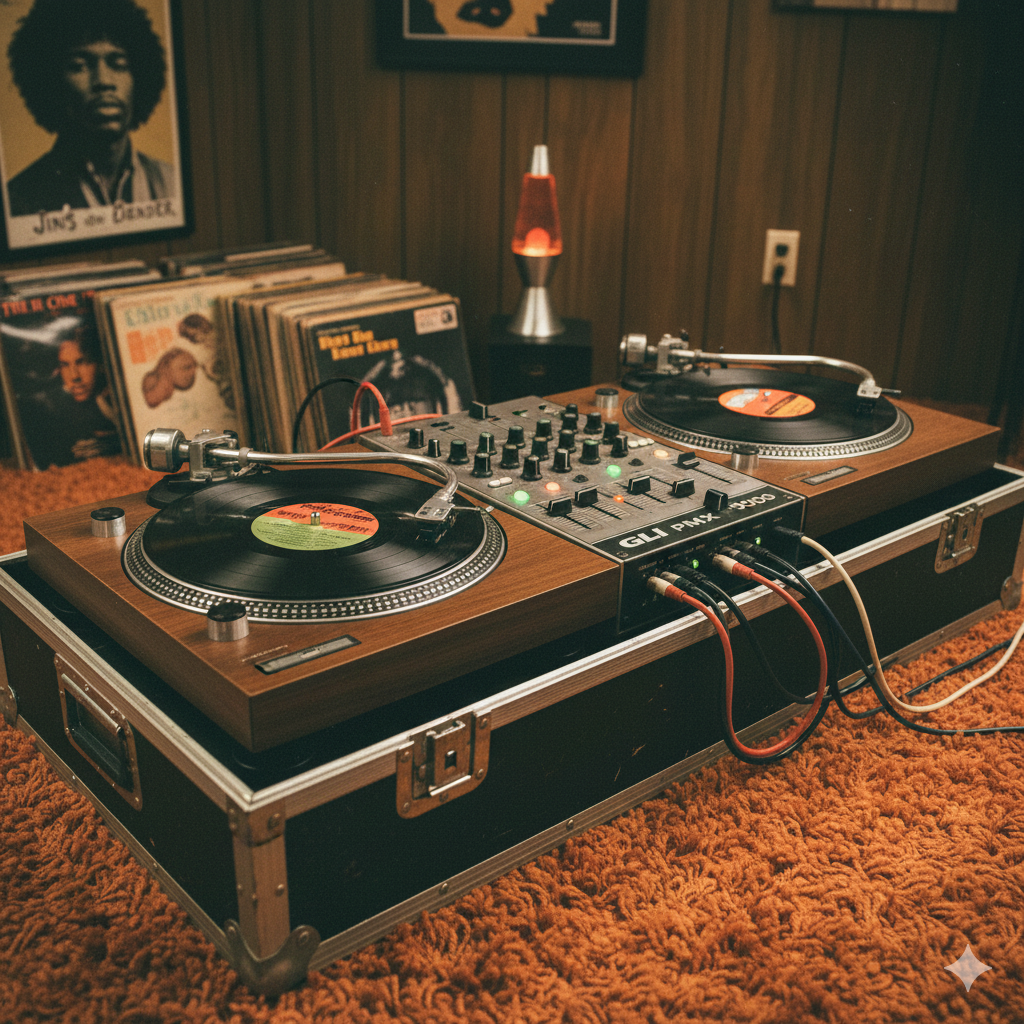
Vintage turntables have undeniable charm.
They’re beautifully built, mechanically fascinating, and often praised for their sound. But while classic decks can be incredibly rewarding, they aren’t perfect—and they’re not for everyone.
Before diving into vintage vinyl gear, it’s important to understand the real drawbacks.
1. Age-Related Wear and Tear
Most vintage turntables are 30–60 years old.
Common age-related issues include:
- Worn bearings
- Hardened rubber parts
- Aging motors
- Dry or contaminated lubrication
Even well-cared-for units may need servicing before they perform properly.
2. Maintenance and Restoration Requirements
Unlike modern plug-and-play turntables, vintage models often require:
- Belt or idler wheel replacement
- Bearing cleaning and lubrication
- Motor servicing
- Electrical refurbishment
If you’re not comfortable with DIY maintenance, professional restoration can be expensive.
3. Parts Availability
Some vintage turntables use:
- Discontinued motors
- Proprietary parts
- Obsolete electronics
While popular models have strong aftermarket support, rare or obscure decks can be difficult—or impossible—to repair.
4. Lack of Modern Convenience Features
Vintage turntables typically lack:
- USB outputs
- Built-in phono preamps
- Auto-stop or auto-lift (on some models)
- Electronic speed switching
For some users, these conveniences matter more than nostalgia.
5. Setup Complexity
Many vintage turntables require:
- Manual cartridge installation
- Precise alignment
- Custom plinths or tonearm matching
They reward patience—but can frustrate beginners.
6. Size, Weight, and Space Requirements
Classic turntables are often:
- Large and heavy
- Built with massive platters and plinths
- Unsuitable for lightweight furniture
Shipping and placement can also be challenging.
7. Inconsistent Performance Between Units
Two identical vintage models can perform very differently.
Performance depends on:
- Previous owners
- Storage conditions
- Quality of past repairs
Buying vintage always involves some risk.
8. Electrical Compatibility Issues
Older turntables may:
- Be designed for different voltages
- Require frequency-specific motors
- Need transformers or modifications
Improper power can affect speed and reliability.
9. Noise and Rumble (If Not Properly Restored)
Without proper servicing:
- Idler wheels can transmit noise
- Motors may vibrate
- Bearings may rumble
These issues can overshadow the benefits of vintage sound.
10. Cost Isn’t Always Lower
Popular vintage turntables often:
- Cost more than new mid-range models
- Require additional restoration expenses
- Need tonearms, plinths, or cartridges added
Vintage is not automatically a budget option.
Who Should Consider a Vintage Turntable?
Vintage turntables are best for:
- Enthusiasts who enjoy hands-on ownership
- Listeners who value mechanical engineering
- Collectors and restorers
- Audiophiles willing to invest time and care
They are less ideal for users seeking simplicity and zero maintenance.
Final Takeaway
Vintage turntables can sound incredible—but they demand commitment.
Their drawbacks include:
- Maintenance requirements
- Parts scarcity
- Setup complexity
- Age-related uncertainty
If you’re prepared for the responsibility, vintage decks can be deeply rewarding. If not, modern turntables may be the better choice.
Great sound comes from the right tool for the right listener 🎶