
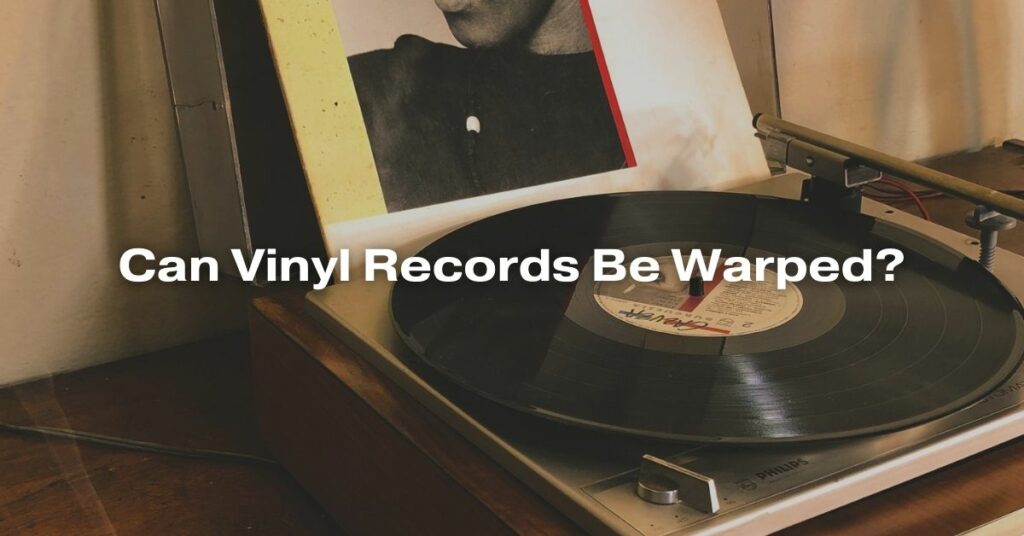
Vinyl records can become warped. Warping is a common issue that affects vinyl records, and it can occur due to various factors such as heat, pressure, and improper storage. A warped record can cause playback problems, including skipping, distortion, and overall poor sound quality.
Causes of Warped Vinyl Records:
-
Heat: Vinyl records are made of PVC, a type of plastic that is sensitive to heat. Exposure to high temperatures can cause the vinyl to soften and deform, leading to warping. This can happen if records are stored in hot environments, such as attics, garages, or cars during warm weather.
-
Pressure: Excessive pressure on a vinyl record can also cause it to warp. This can occur if records are stacked on top of each other, stored vertically, or placed under heavy objects. The weight can cause the vinyl to bend and lose its shape.
-
Improper Storage: Improper storage practices can contribute to warping. Storing records in humid environments can make them more susceptible to warping, as moisture can affect the vinyl’s structure. Additionally, storing records in direct sunlight can expose them to excessive heat, increasing the risk of warping.
Identifying a Warped Record:
A warped record can often be identified by visual inspection. Look for irregularities in the shape of the record, such as raised edges, bumps, or a noticeable bend. You can also try placing the record on a flat surface and spinning it. If the record wobbles or bounces, it is likely warped.
Playing a Warped Record:
Playing a warped record can lead to playback issues, including skipping, distortion, and overall poor sound quality. In severe cases, a warped record may even damage the stylus of your turntable. It is generally not recommended to play a warped record, as it can damage both the record and your turntable.
Preventing Vinyl Record Warping:
To prevent warping, it is essential to store your vinyl records properly. Here are some tips for proper vinyl record storage:
-
Store records vertically in a cool, dry environment. Avoid storing them in attics, garages, or cars, as these areas can experience extreme temperatures.
-
Use record sleeves to protect your records from dust and scratches.
-
Avoid stacking records on top of each other. Store them upright in a dedicated record storage rack or shelf.
-
Don’t place heavy objects on top of your records.
-
Keep your records away from direct sunlight and heat sources.
By following these storage guidelines, you can minimize the risk of warping and keep your vinyl records in good condition for years to come.